
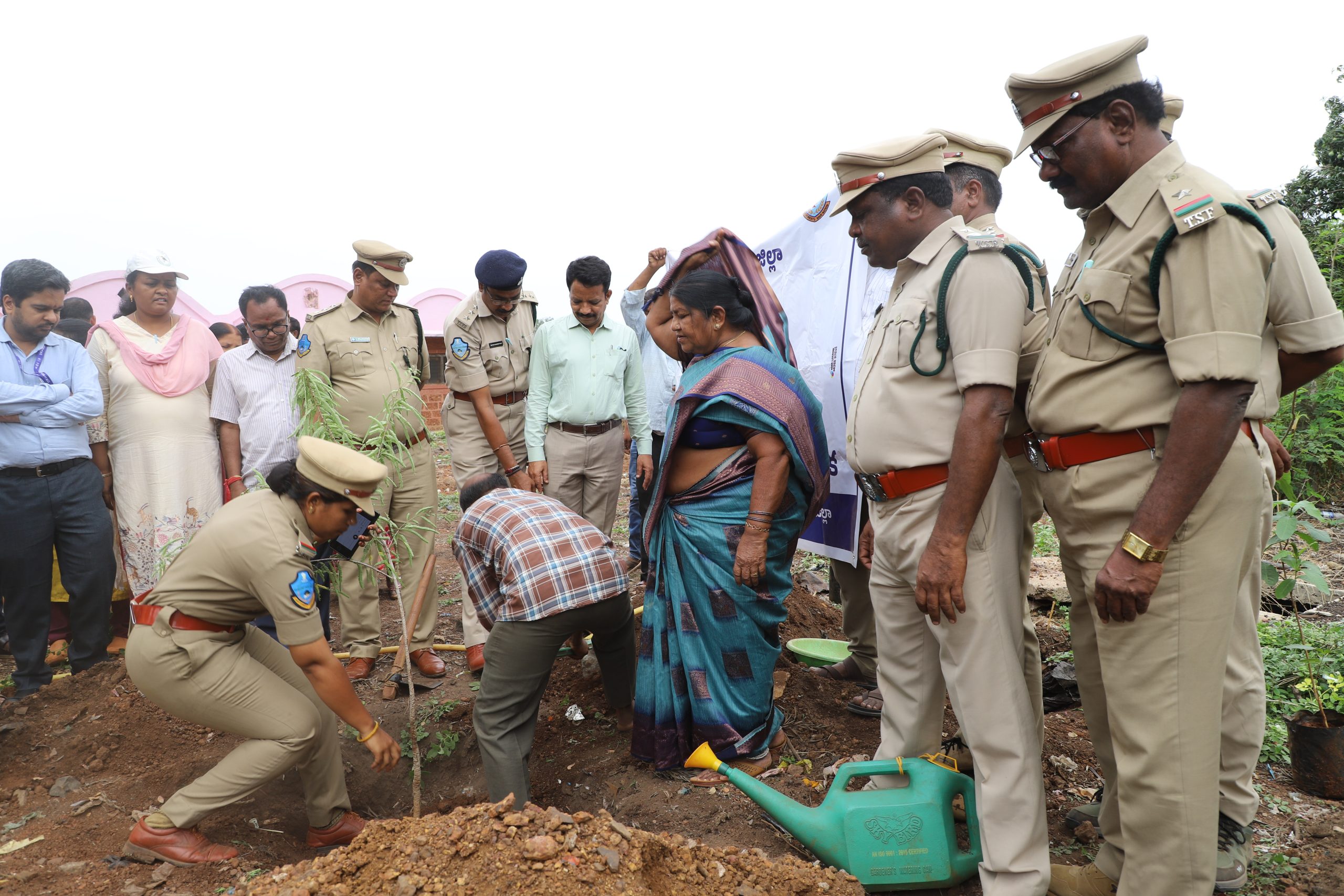
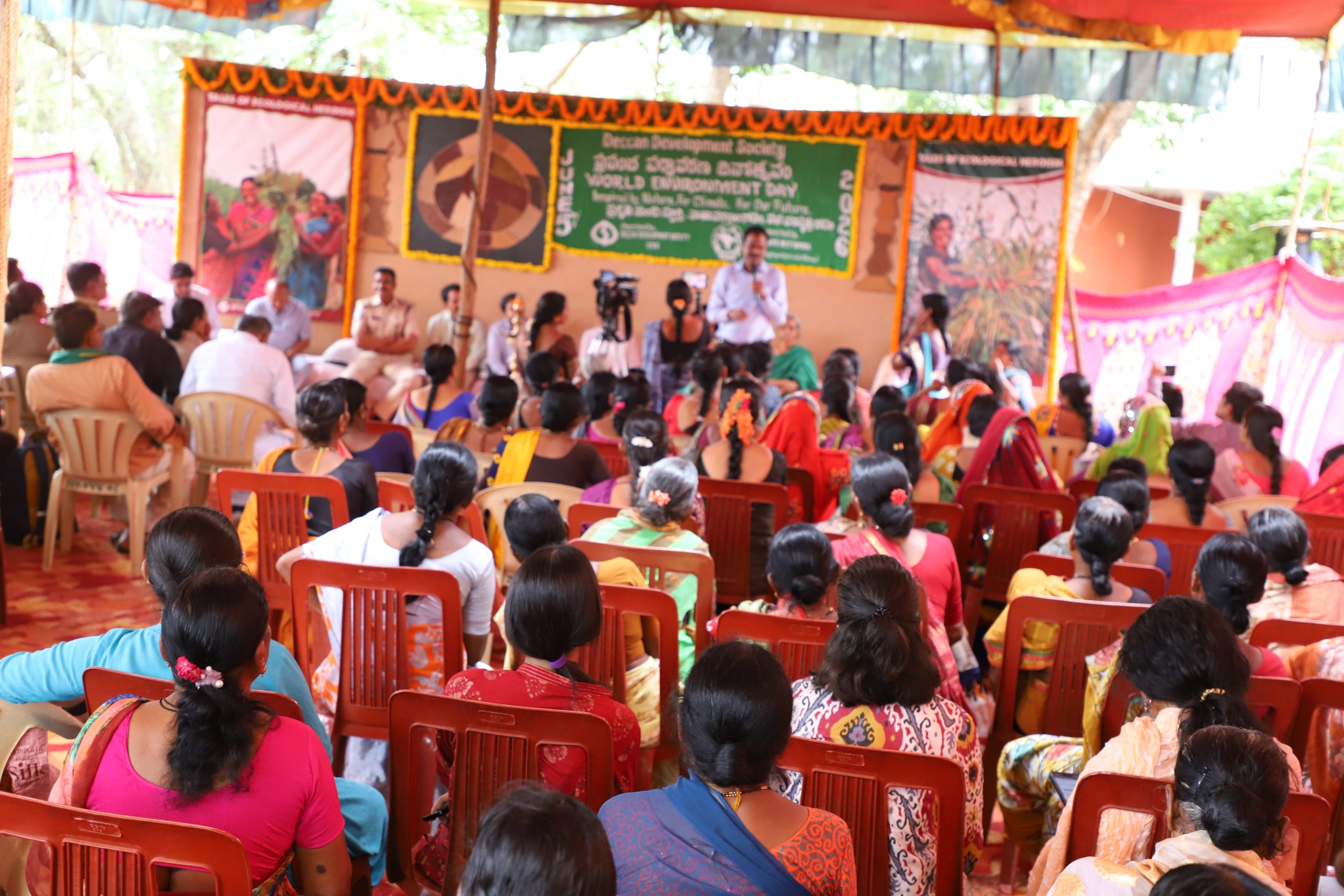
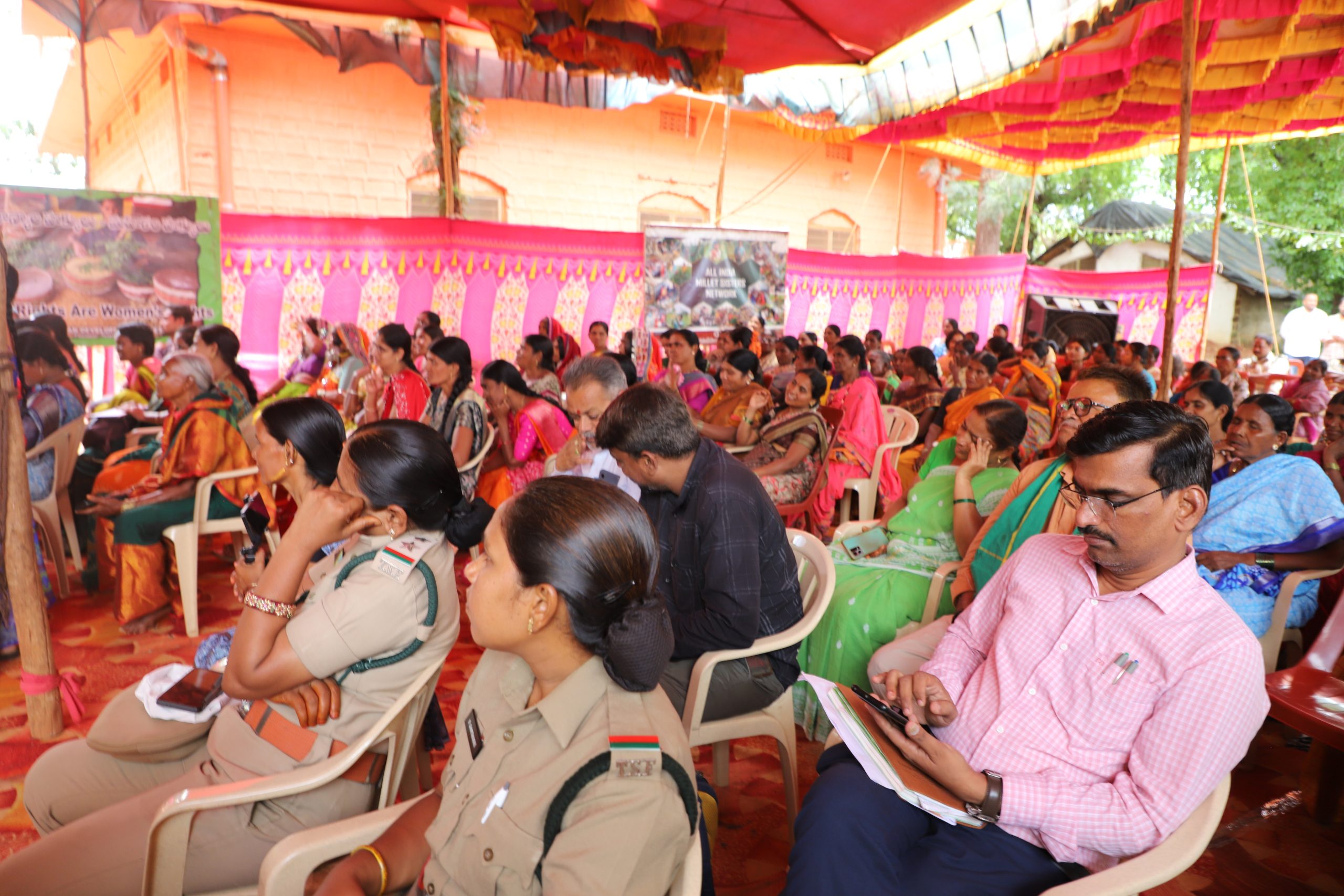
On the occasion of World Environment Day 2026, Deccan Development Society (DDS) brought together women farmers, environmental practitioners, agricultural experts, and development professionals at Pastapur to reaffirm a shared commitment to biodiversity conservation, sustainable agriculture, and ecological restoration.
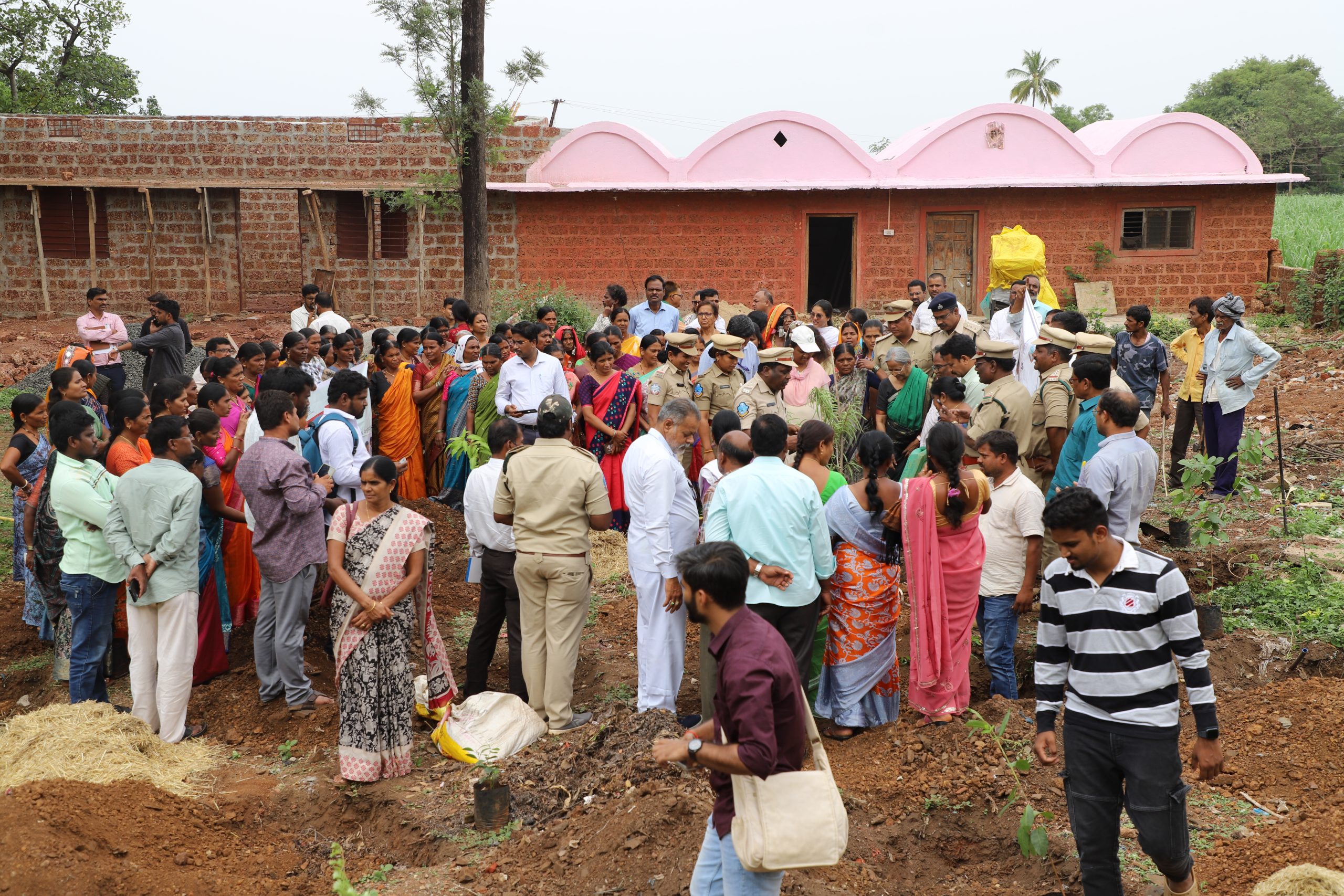
The event highlighted the growing environmental challenges facing rural communities, including climate change, declining biodiversity, soil degradation, water scarcity, and the increasing dependence on chemical-intensive farming systems. Participants emphasized the need for community-driven solutions that strengthen the relationship between people, agriculture, and nature.
A key theme throughout the celebration was the role of women farmers as custodians of biodiversity and ecological knowledge. Through decades of work in seed conservation, diversified farming, and community-led natural resource management, women farmers have demonstrated that sustainable agriculture can simultaneously support livelihoods, nutrition, and environmental protection.
The programme also showcased successful examples of biodiversity-rich farming systems, community forestry initiatives, and ecological restoration efforts undertaken across villages in the region. These initiatives have contributed to improving soil health, enhancing tree cover, conserving water resources, and creating resilient farming landscapes capable of withstanding climate uncertainties.
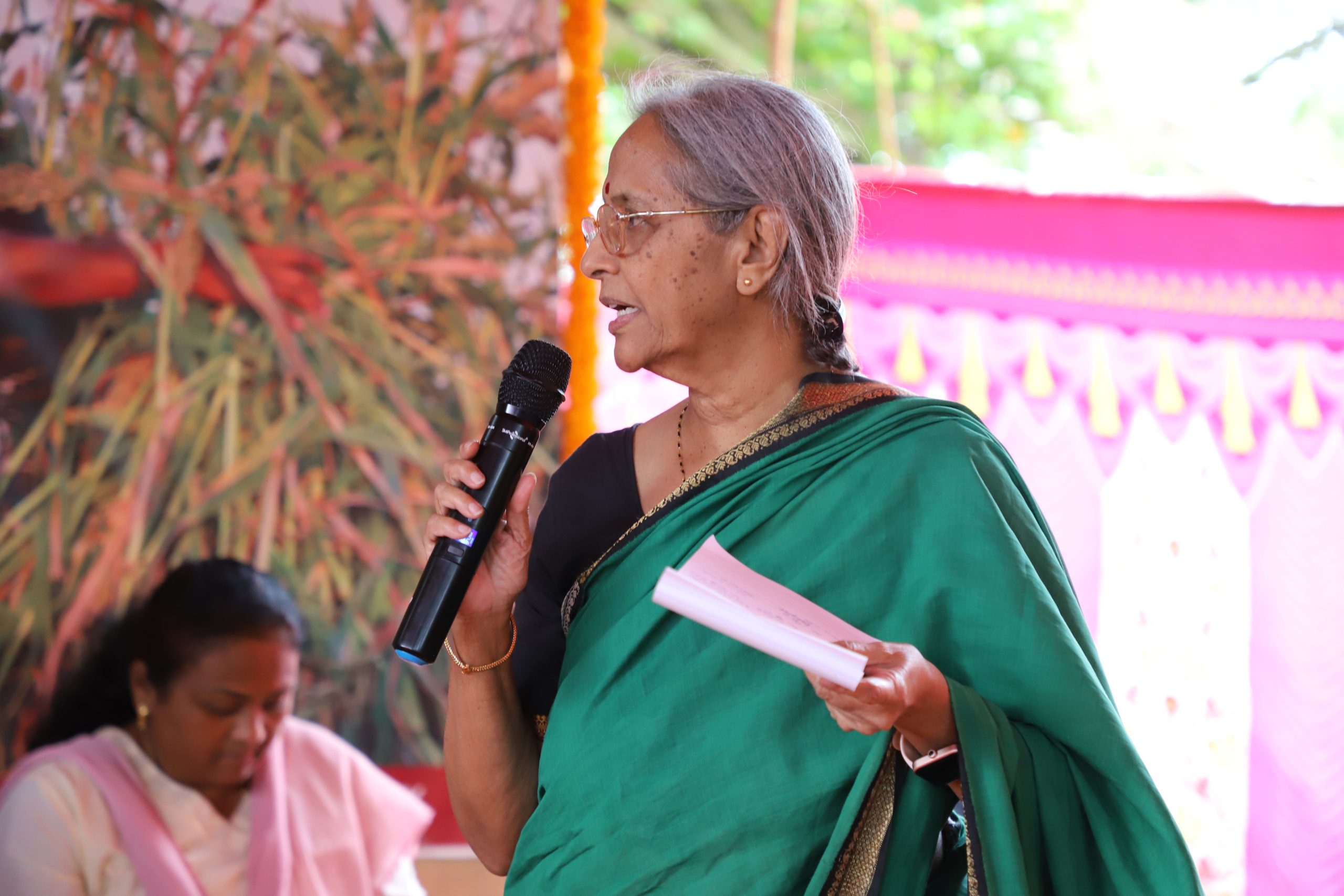
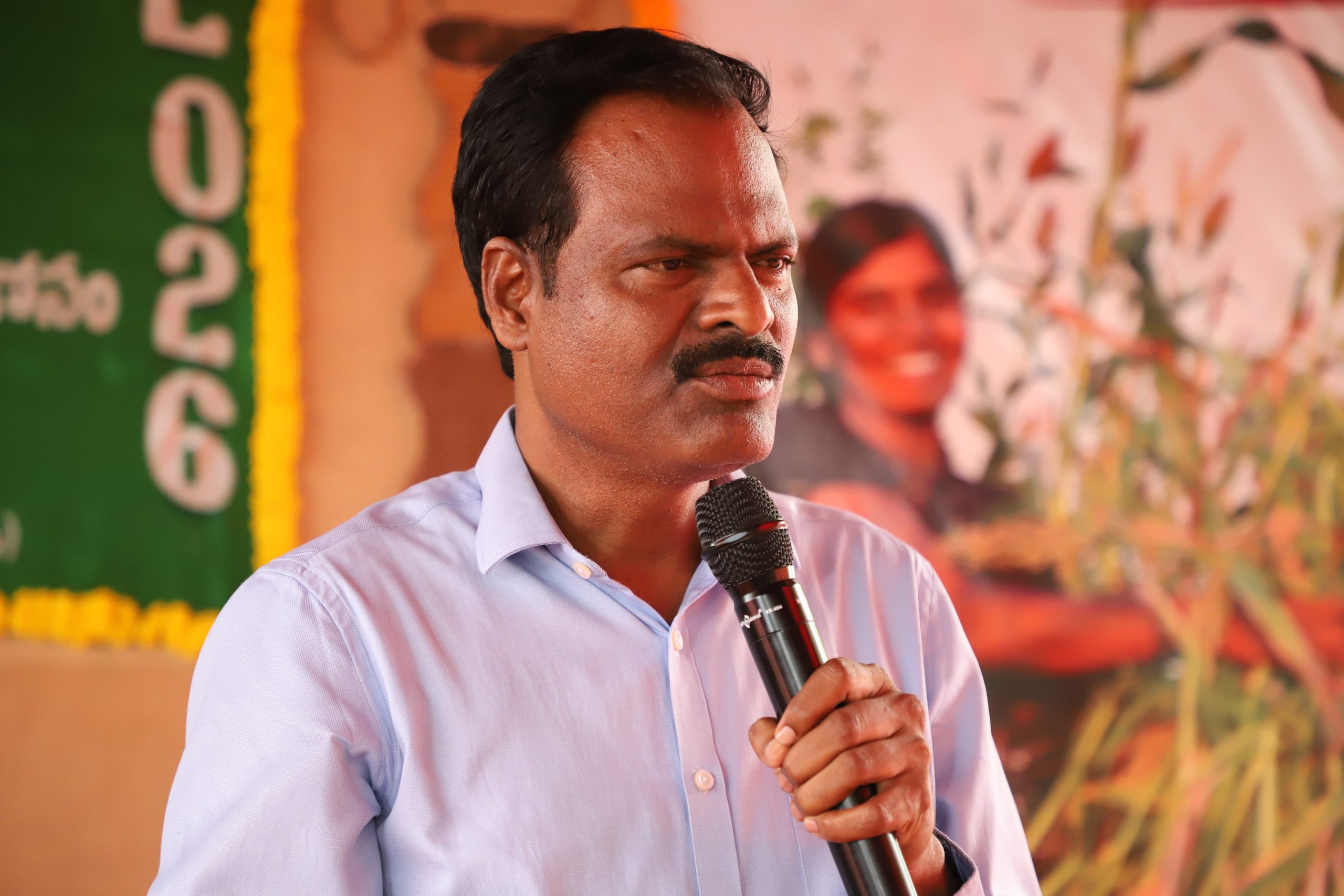
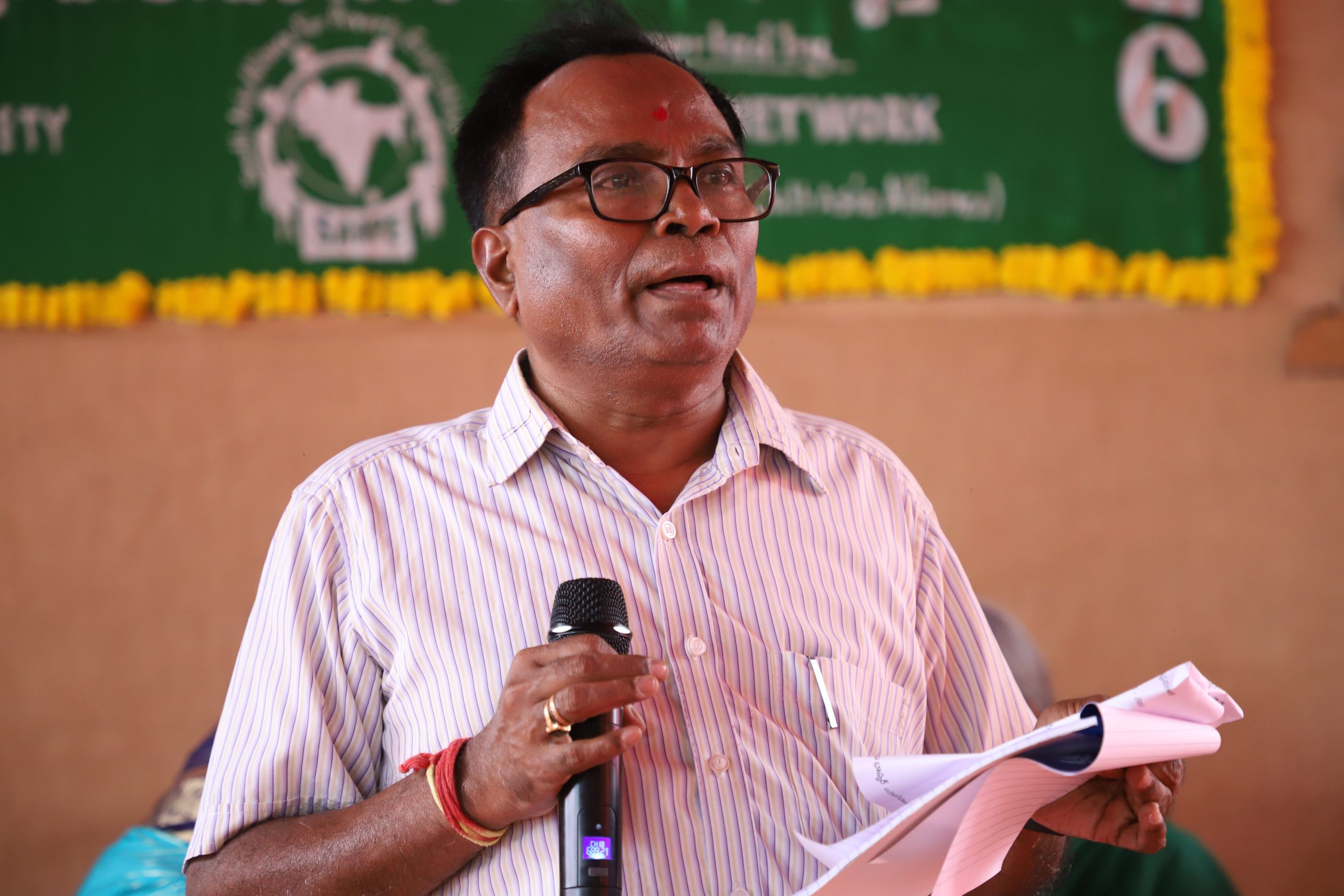
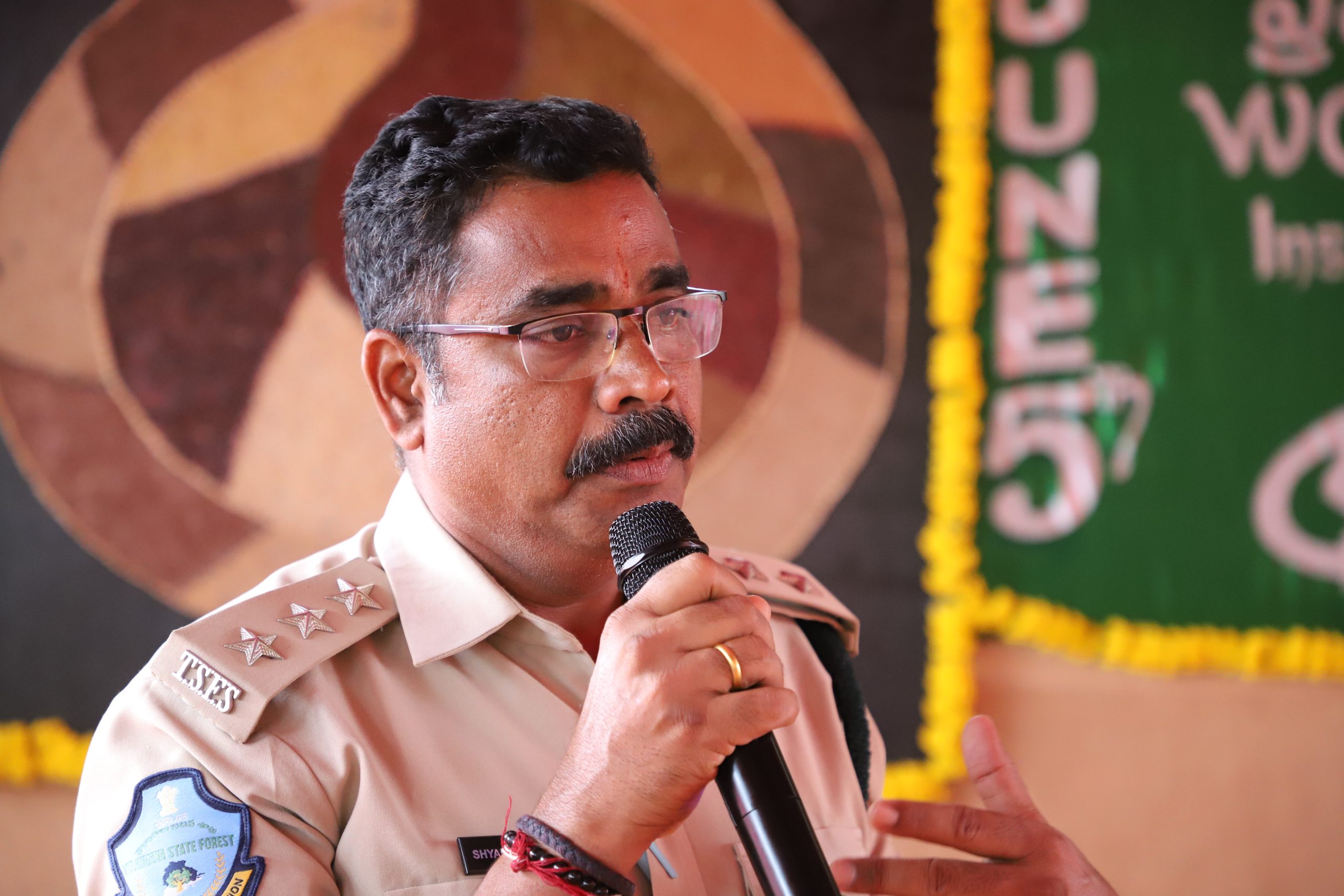 Speakers and participants underscored the importance of reducing reliance on chemical inputs and promoting regenerative agricultural practices that nurture soil fertility, increase carbon sequestration, and strengthen local food systems. The discussions highlighted how traditional ecological knowledge, combined with innovative sustainable practices, can provide effective responses to contemporary environmental challenges.
The event concluded with a collective call for action to protect natural resources, restore ecosystems, and promote sustainable lifestyles. Participants reaffirmed that safeguarding biodiversity and strengthening community stewardship are essential for ensuring environmental sustainability and securing the well-being of future generations.
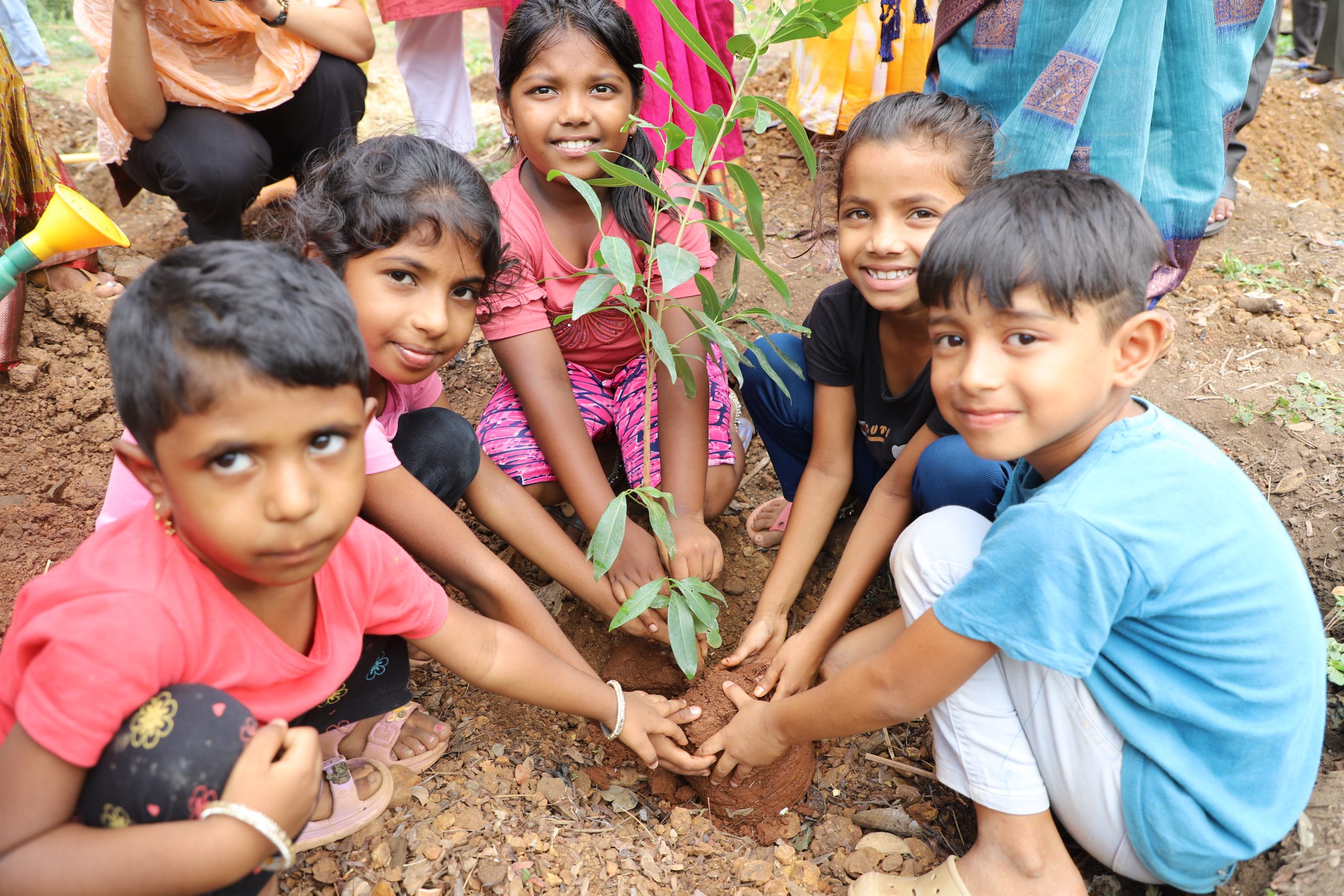
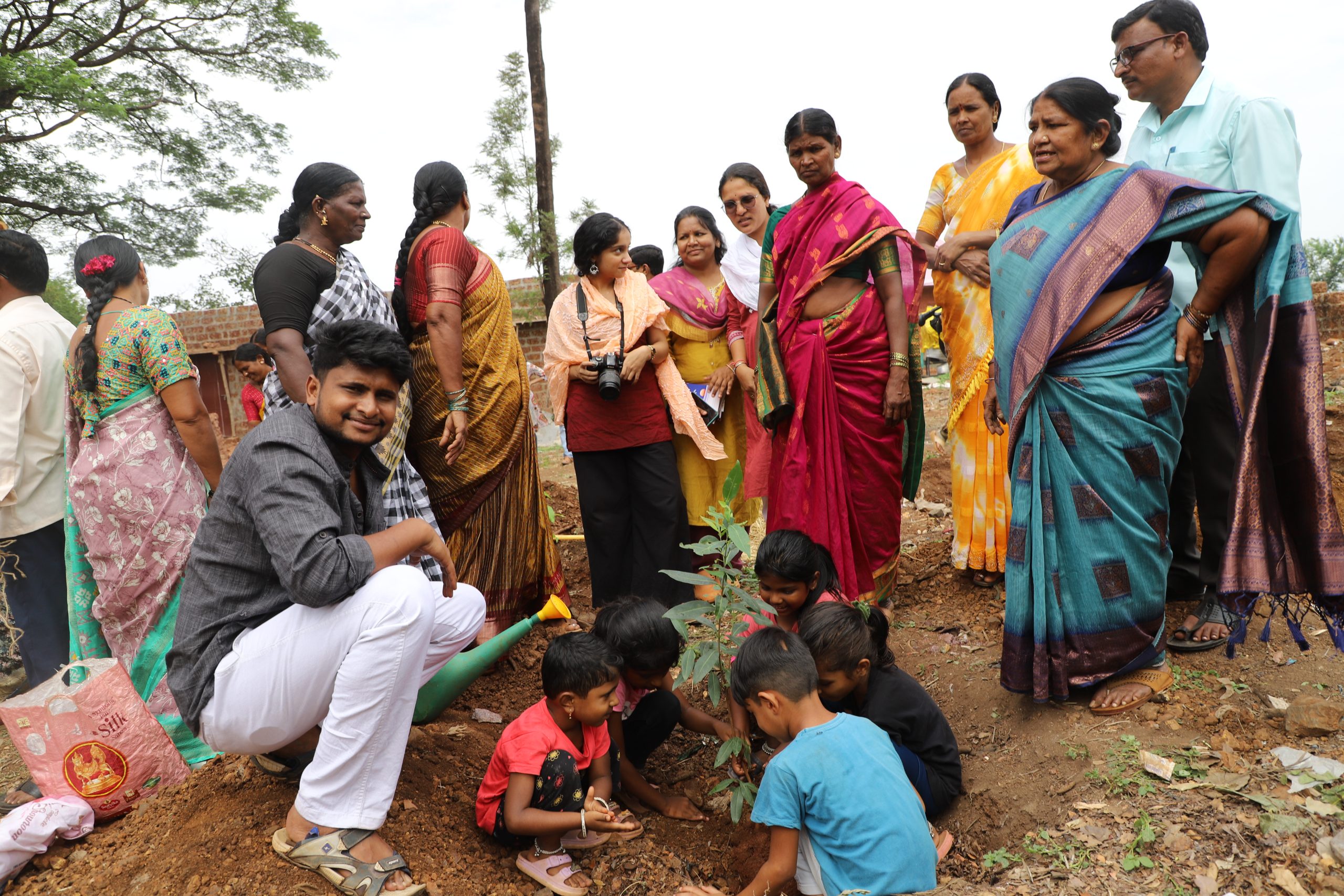
As the world confronts escalating ecological challenges, the World Environment Day celebration at DDS served as a reminder that meaningful environmental change begins at the community level—through collective action, local knowledge, and a deep commitment to living in harmony with nature.