
A Platform for Biodiversity, Women Farmers, and Seed Sovereignty
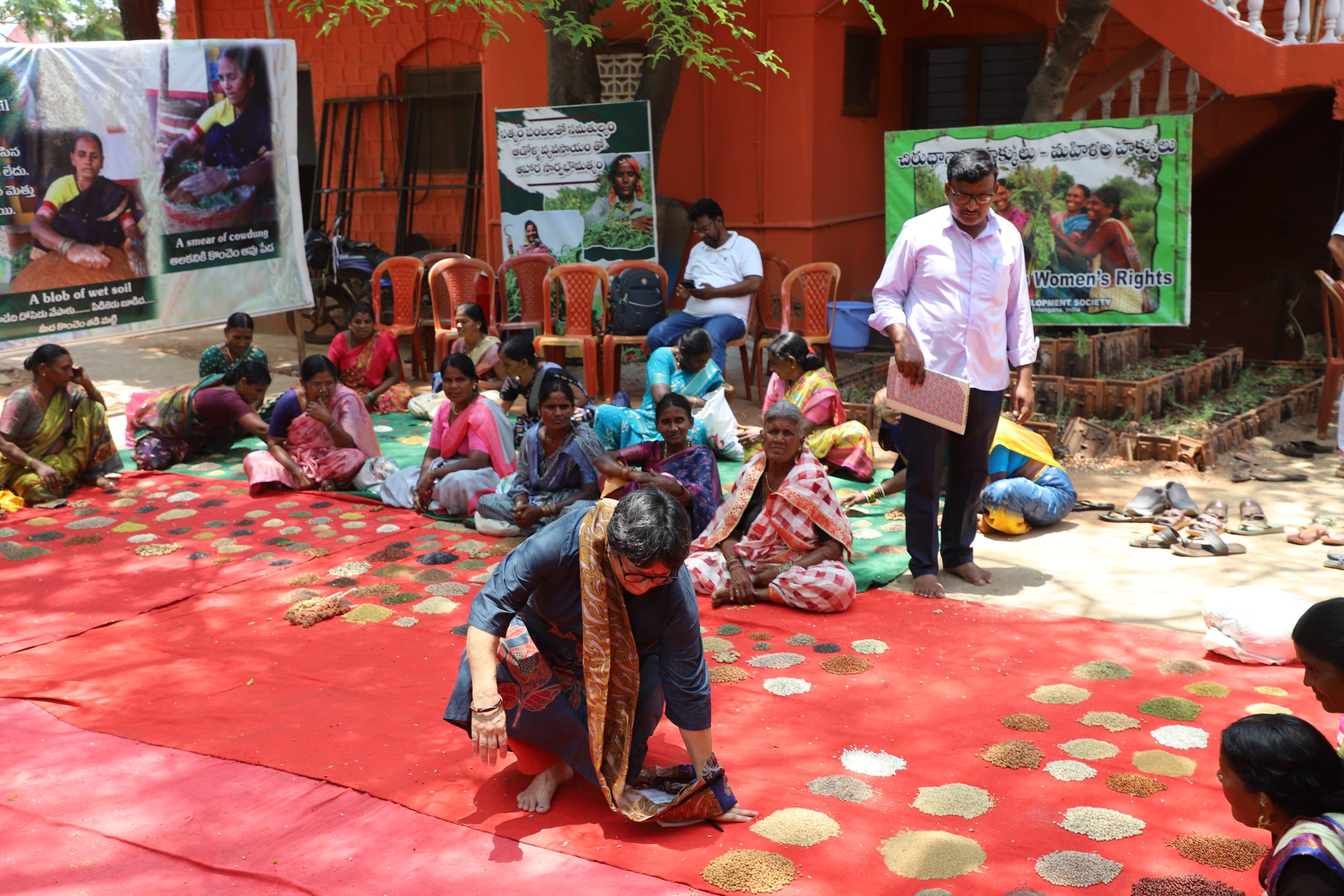
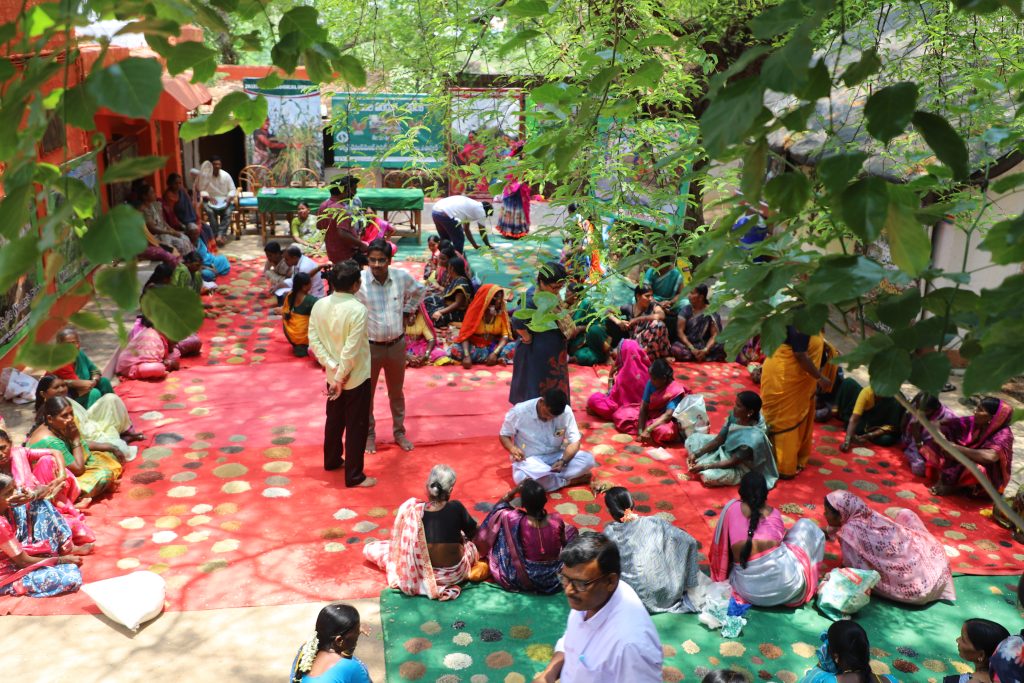
 Deccan Development Society successfully hosted its International Seed Festival, bringing together women farmers, agricultural experts, researchers, civil society organizations, and community members to celebrate traditional seeds, biodiversity, and sustainable farming practices. The festival served as a vibrant platform to highlight the invaluable role of women farmers in conserving indigenous seed varieties and safeguarding food systems rooted in ecological sustainability.
Celebrating Traditional Seed Diversity
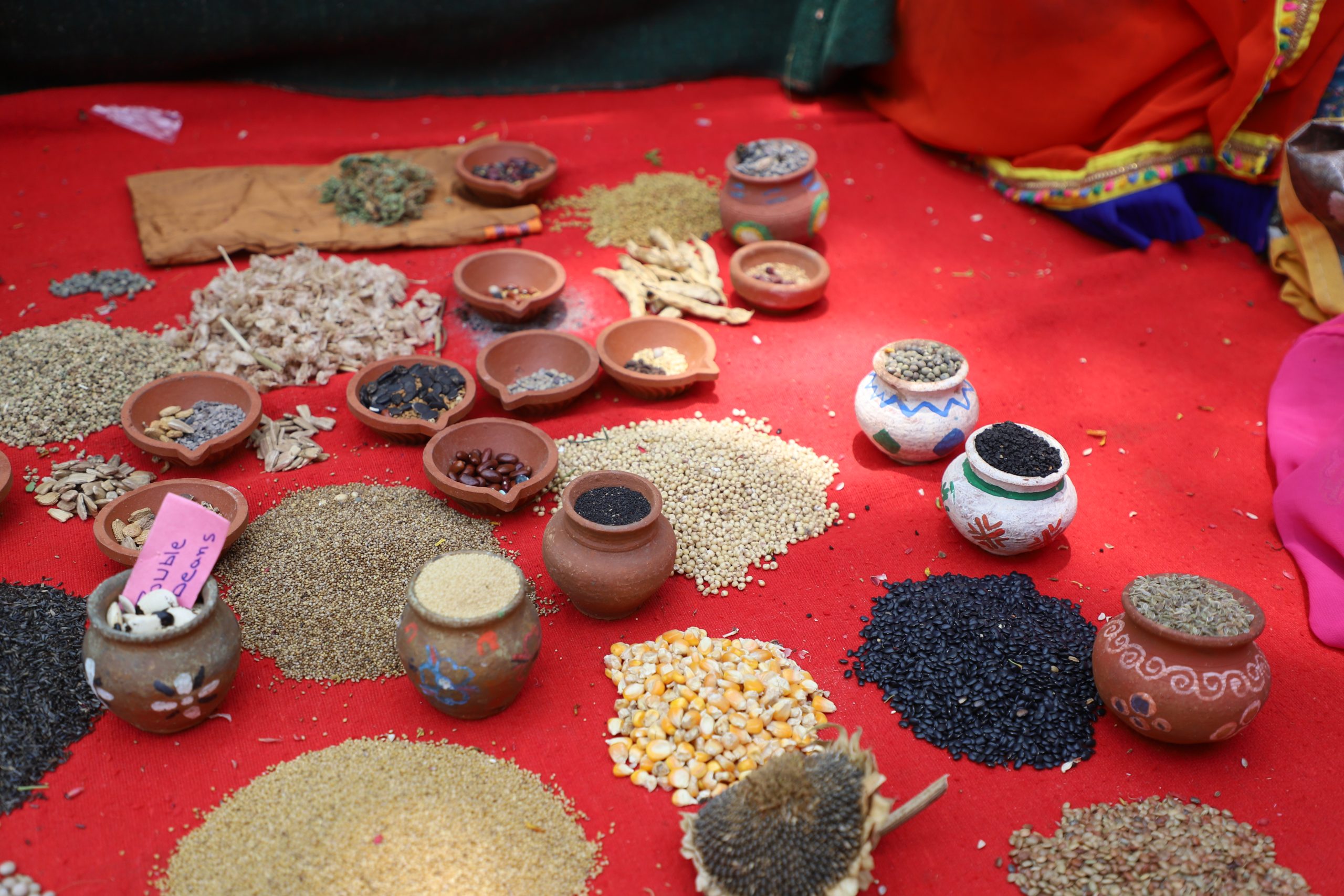
Around 100 women far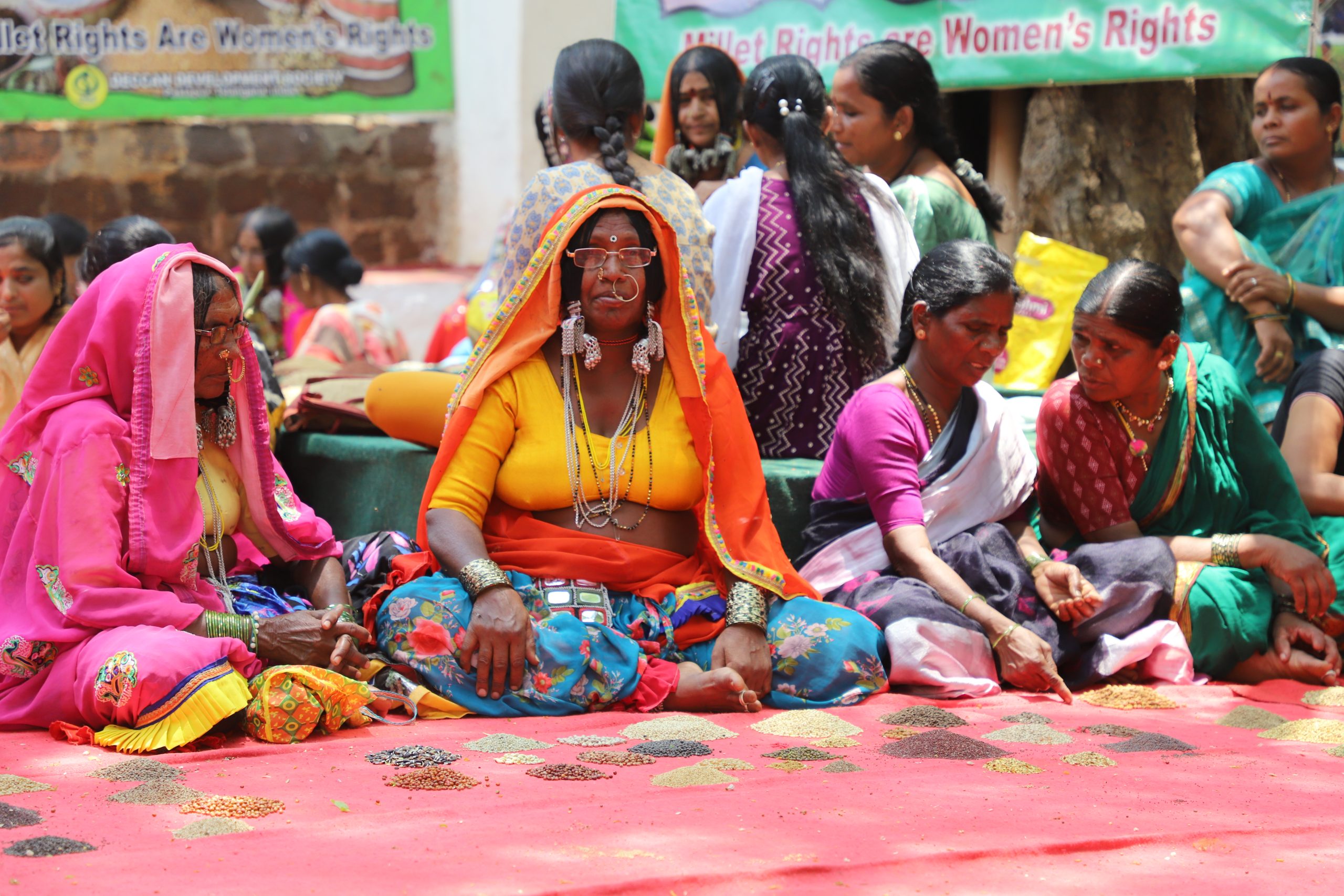 mers from 45 villages participated in the festival, showcasing more than 100 varieties of traditional seeds. The exhibition featured a rich diversity of crops, including millets such as sorghum and pearl millet, pulses, oilseeds, vegetables, and leafy greens. The display reflected the remarkable biodiversity preserved by farming communities across the region and demonstrated the resilience of traditional agricultural systems.
Farmers as Custodians of Knowledge
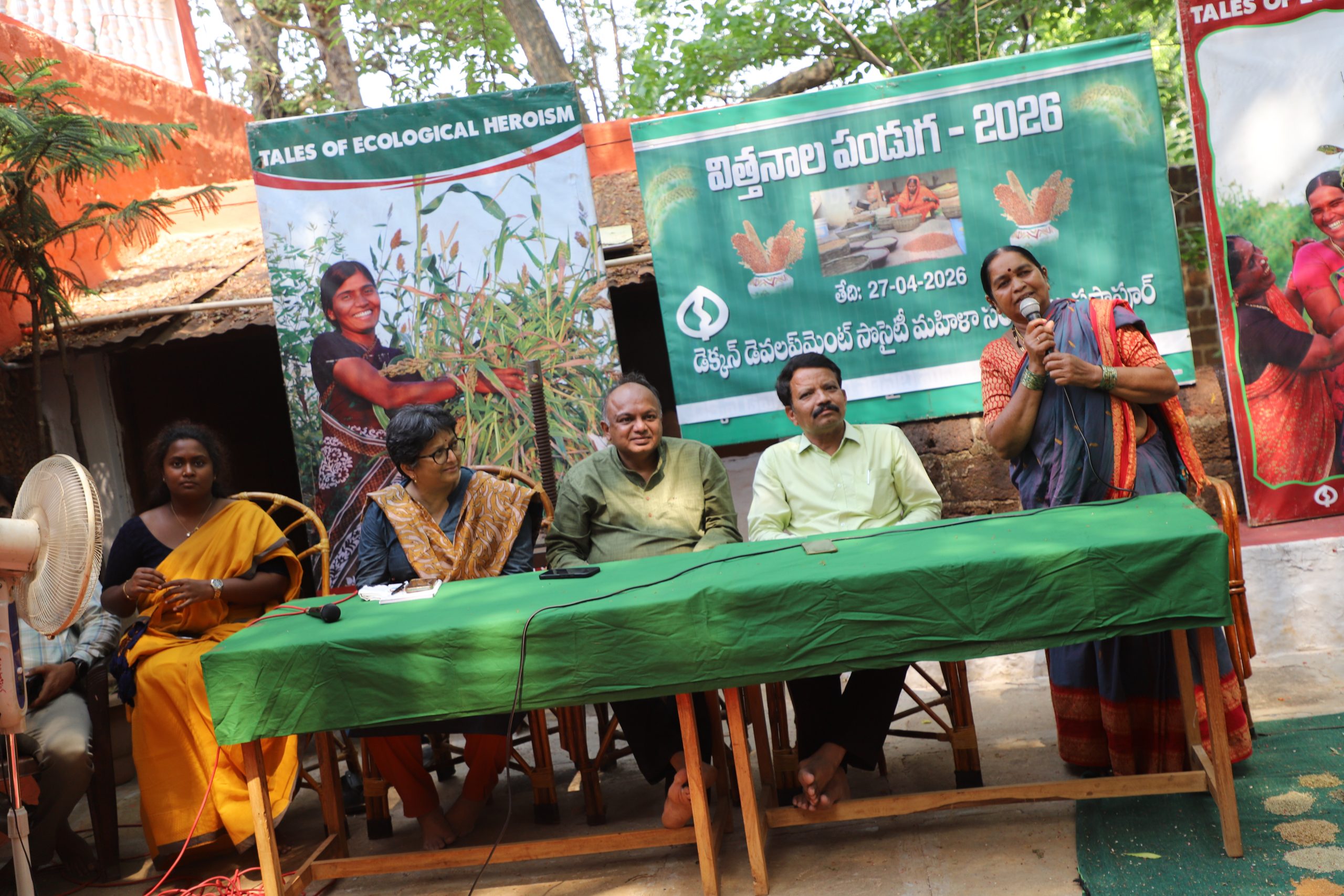 Lakshmamma, a renowned seed conservator, emphasized the importance of preserving traditional seeds and shared her experiences in managing community seed banks. She highlighted how DDS supports seed sharing initiatives by providing traditional seeds free of cost to urban growers and more than 20 organizations. “Our goal is not only to conserve seeds but to ensure that everyone has access to healthy, chemical-free food,” she said.
Her contribution underscored the critical role that women farmers play in protecting agricultural heritage and strengthening local food sovereignty.
Recognition for an Integrated Farming Model
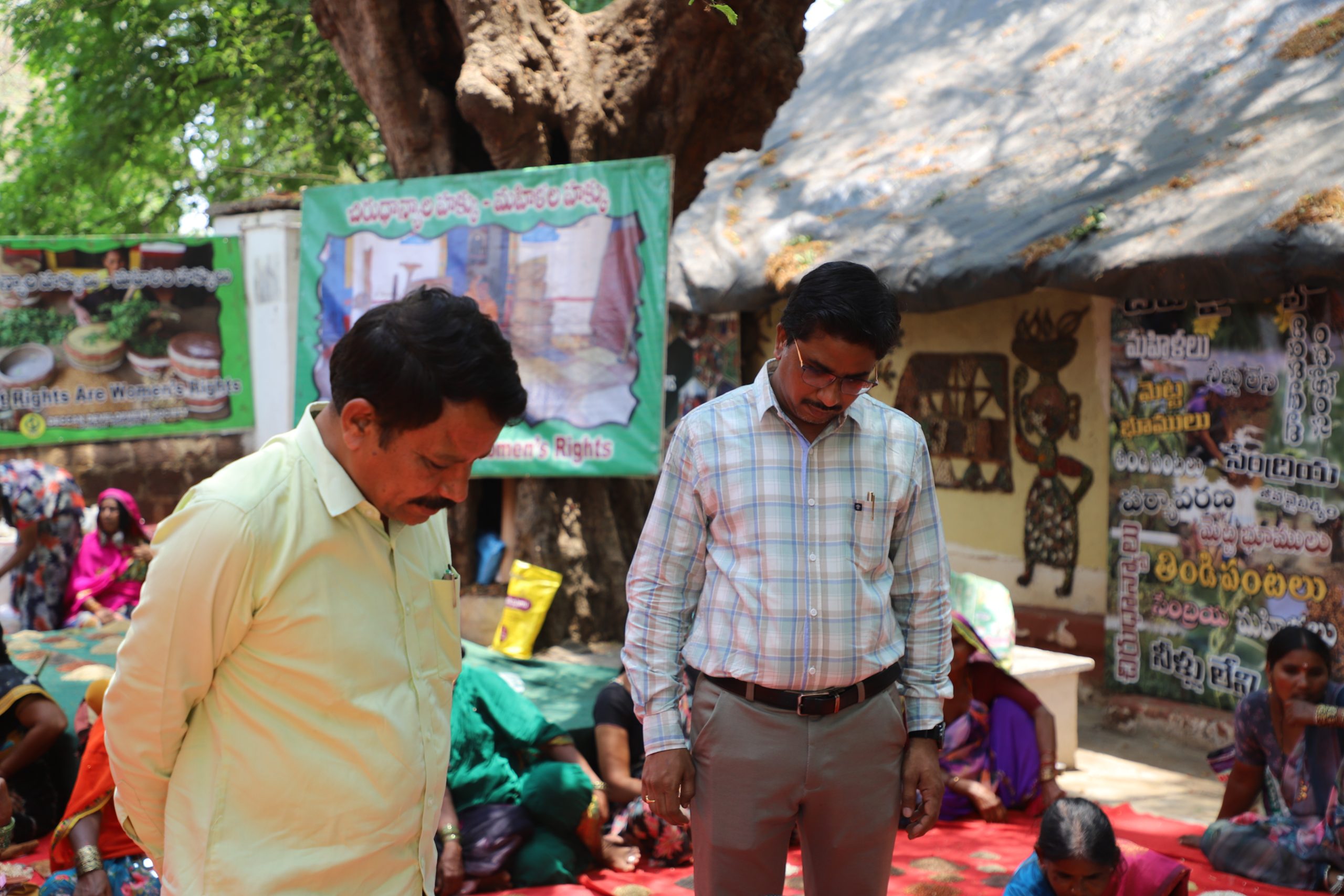 Speaking at the event, Dr. Varaprasad from the Krishi Vigyan Kendra noted that women farmers working with DDS cultivate as many as 36 crop varieties within integrated farming systems. He highlighted that the DDS model has gained recognition at national and international levels and has attracted support from organizations such as the United Nations Development Programme for its work in promoting sustainable agriculture. He further observed that several Krishi Vigyan Kendras across India are studying and adapting aspects of the DDS approach to strengthen climate-resilient farming systems.
Addressing Challenges in Agriculture
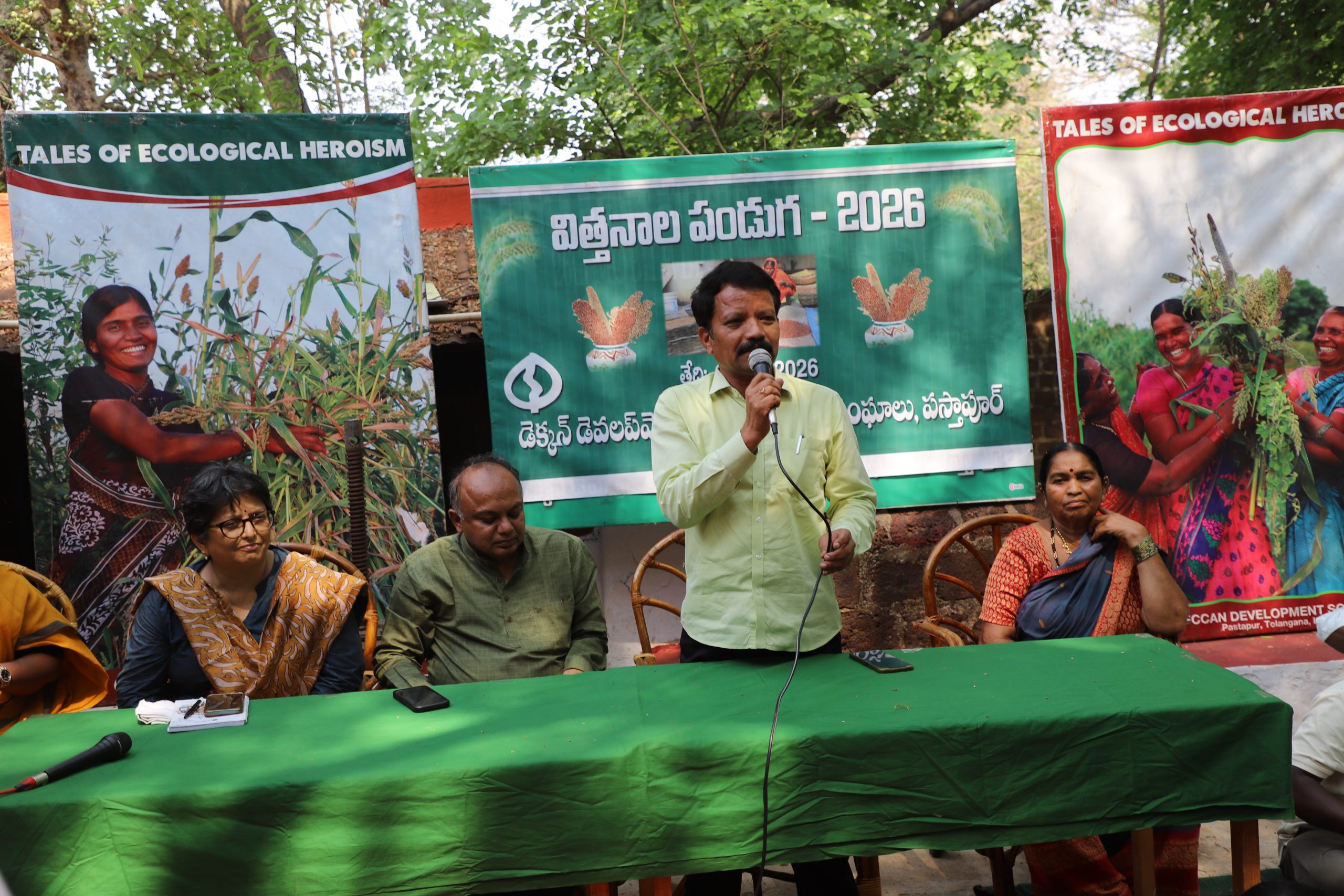
Bikshapathi, Assistant Director of Agriculture, highlighted Zahirabad’s reputation for integrated farming and crop diversity. He noted that several food and spice crops cultivated in the region contribute significantly to local livelihoods and nutrition. At the same time, he expressed concern over the decline of livestock-based farming systems and encouraged farmers to reduce dependence on chemical fertilizers and strengthen natural farming practices.
Inspiring New Perspectives
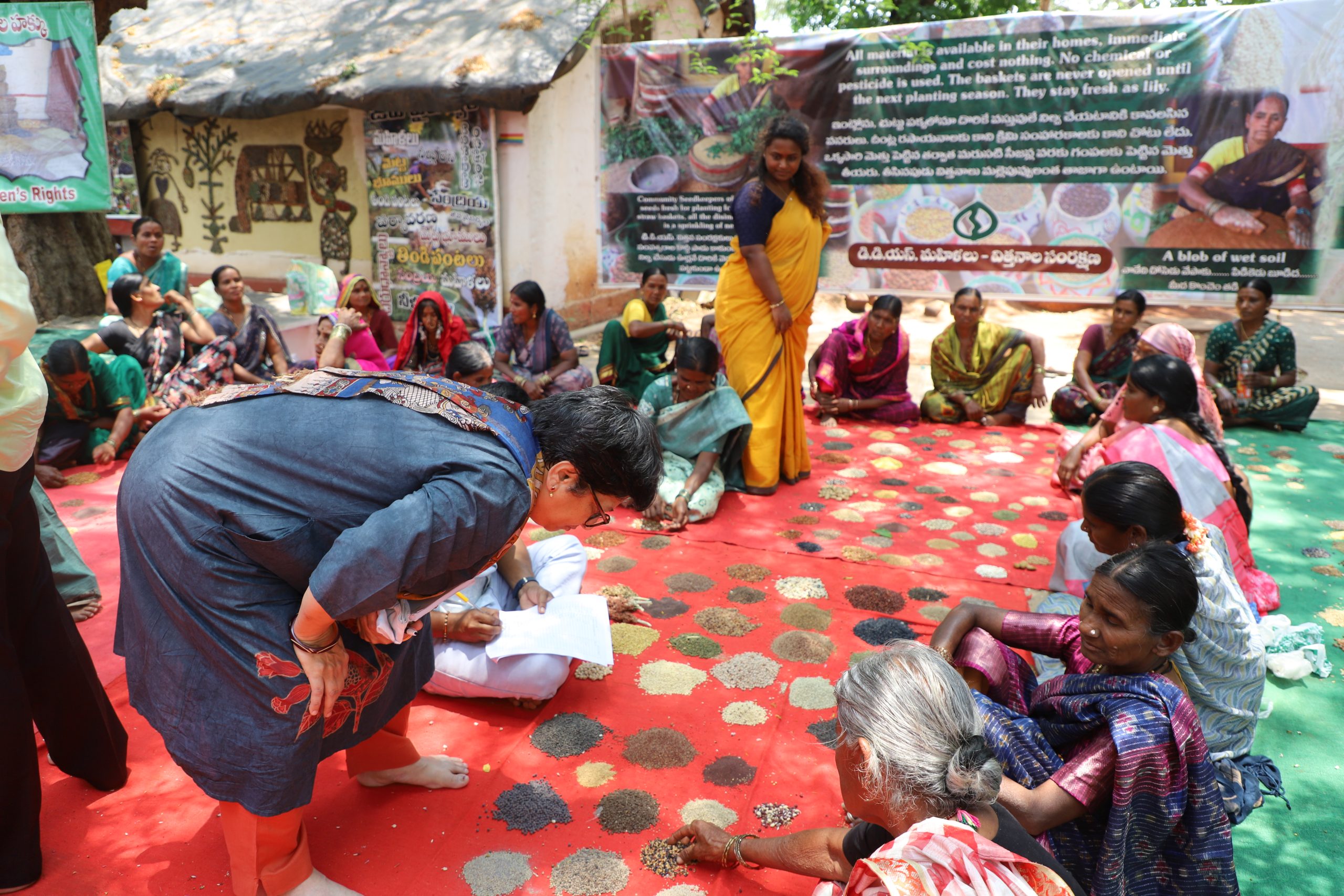 Lavanya, a participant attending the Seed Festival for the first time, described the experience as eye-opening. “This is the first seed festival I have attended, and it truly feels like a celebration of life and diversity,” she said.
She shared her surprise at witnessing the wide range of crops cultivated within individual villages and emphasized the need to protect traditional crops such as sorghum, especially in regions where agricultural diversity is rapidly declining.
Strengthening Community Seed Banks
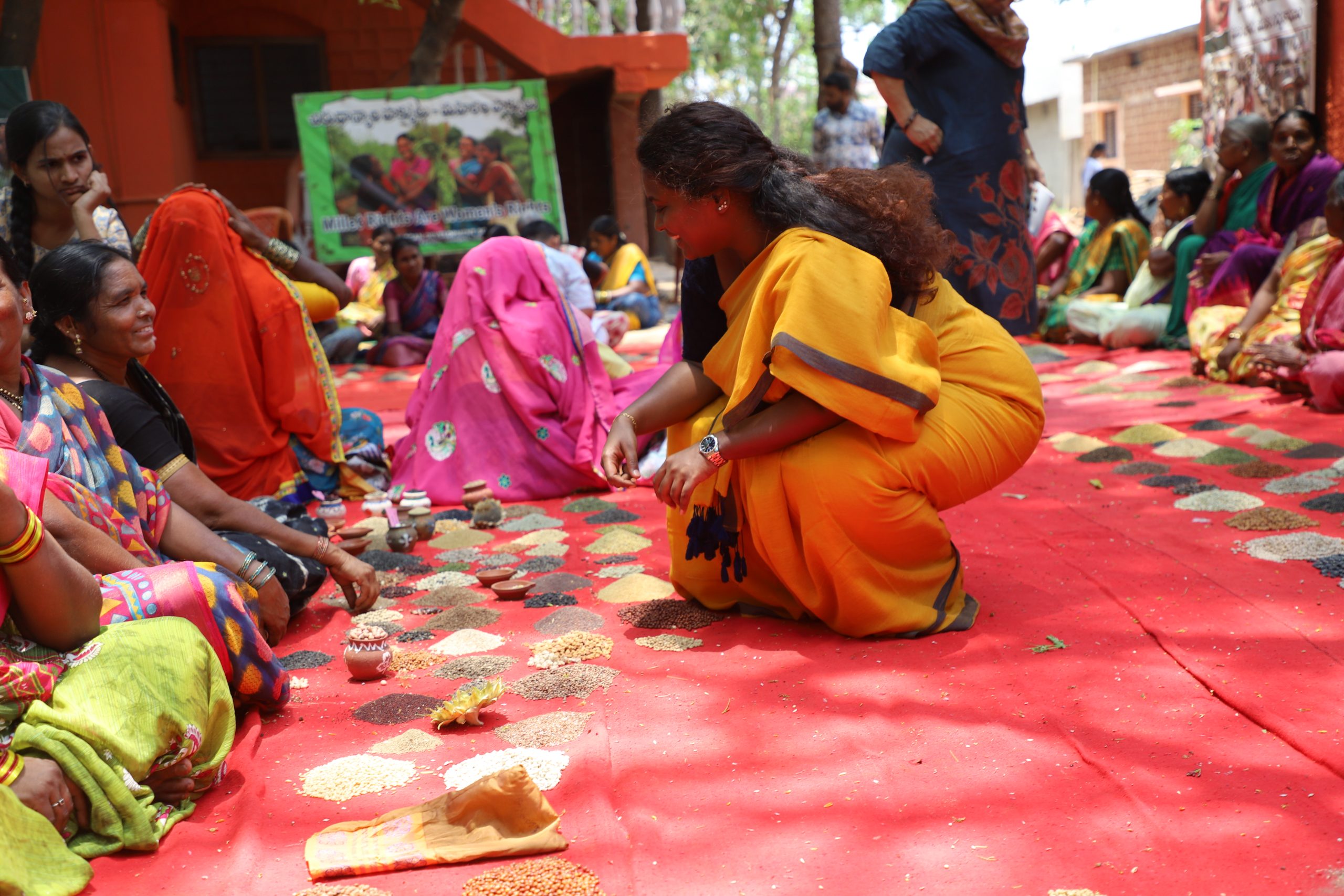 Dr. Divya, executive director of Deccan Development Society, announced plans to train young people in seed conservation during the coming year. She emphasized that community seed banks are more than storage spaces—they are institutions that foster collective responsibility, strengthen village solidarity, and build confidence in local food systems.
“Community seed banks play a crucial role in ensuring food security while preserving traditional knowledge and biodiversity for future generations,” she noted.
Preserving Seeds, Preserving the Future
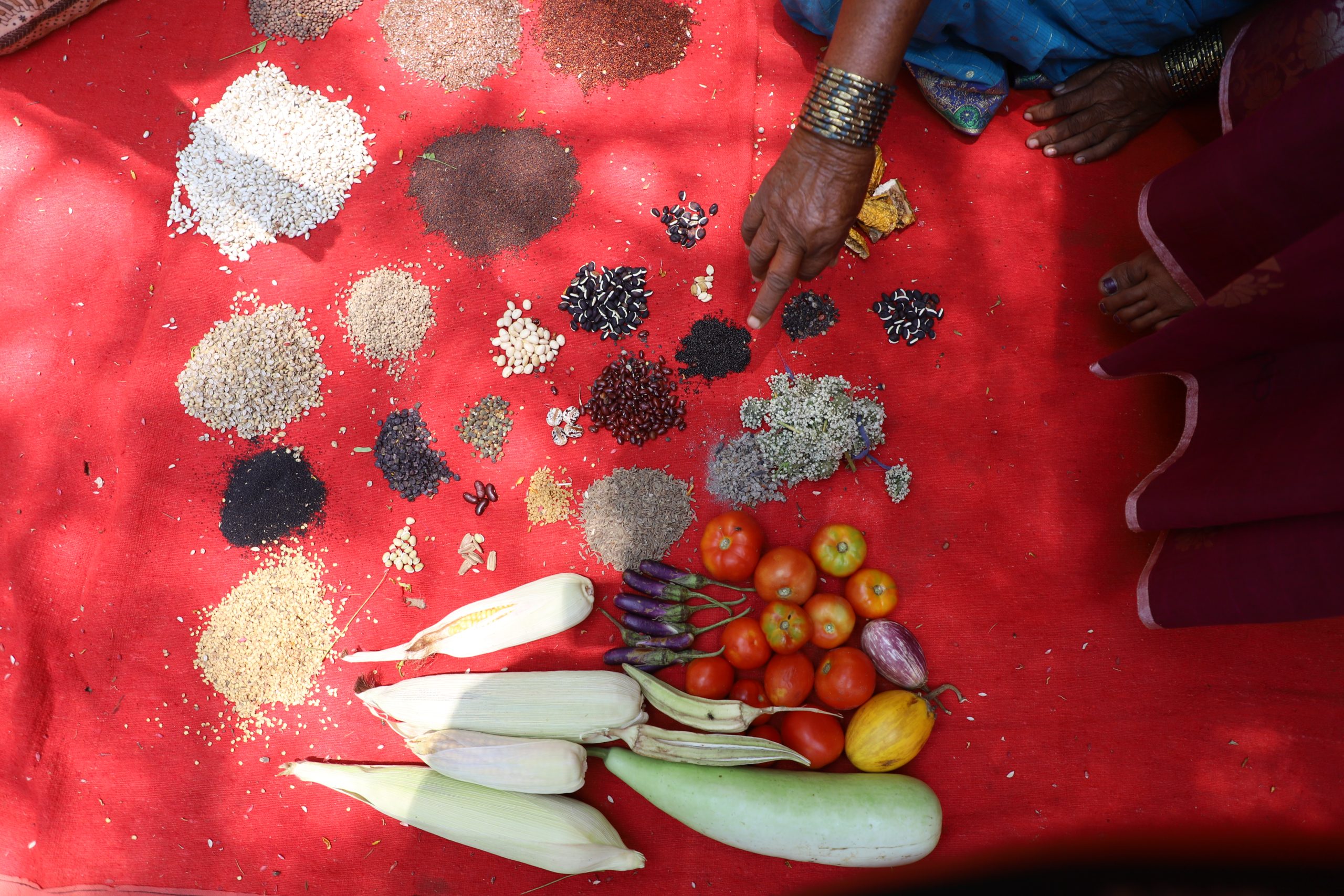
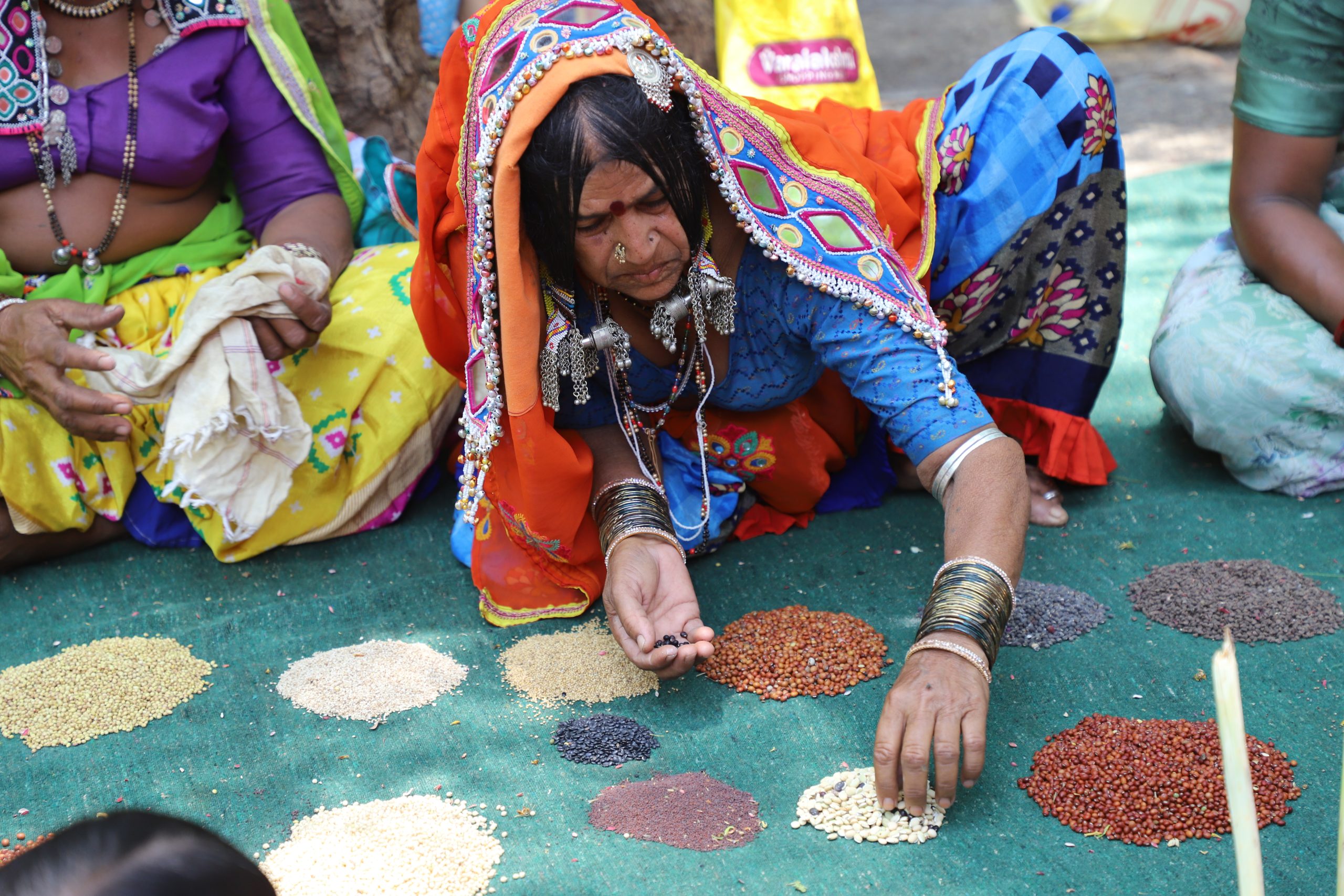
The International Seed Festival highlighted the extraordinary contributions of women farmers in conserving biodiversity and sustaining resilient agricultural systems. More than a celebration of seeds, the event was a celebration of knowledge, culture, community, and ecological stewardship. As the festival concluded, one message stood out clearly: saving seeds is not just about agriculture—it is about protecting our culture, health, biodiversity, and future generations.