
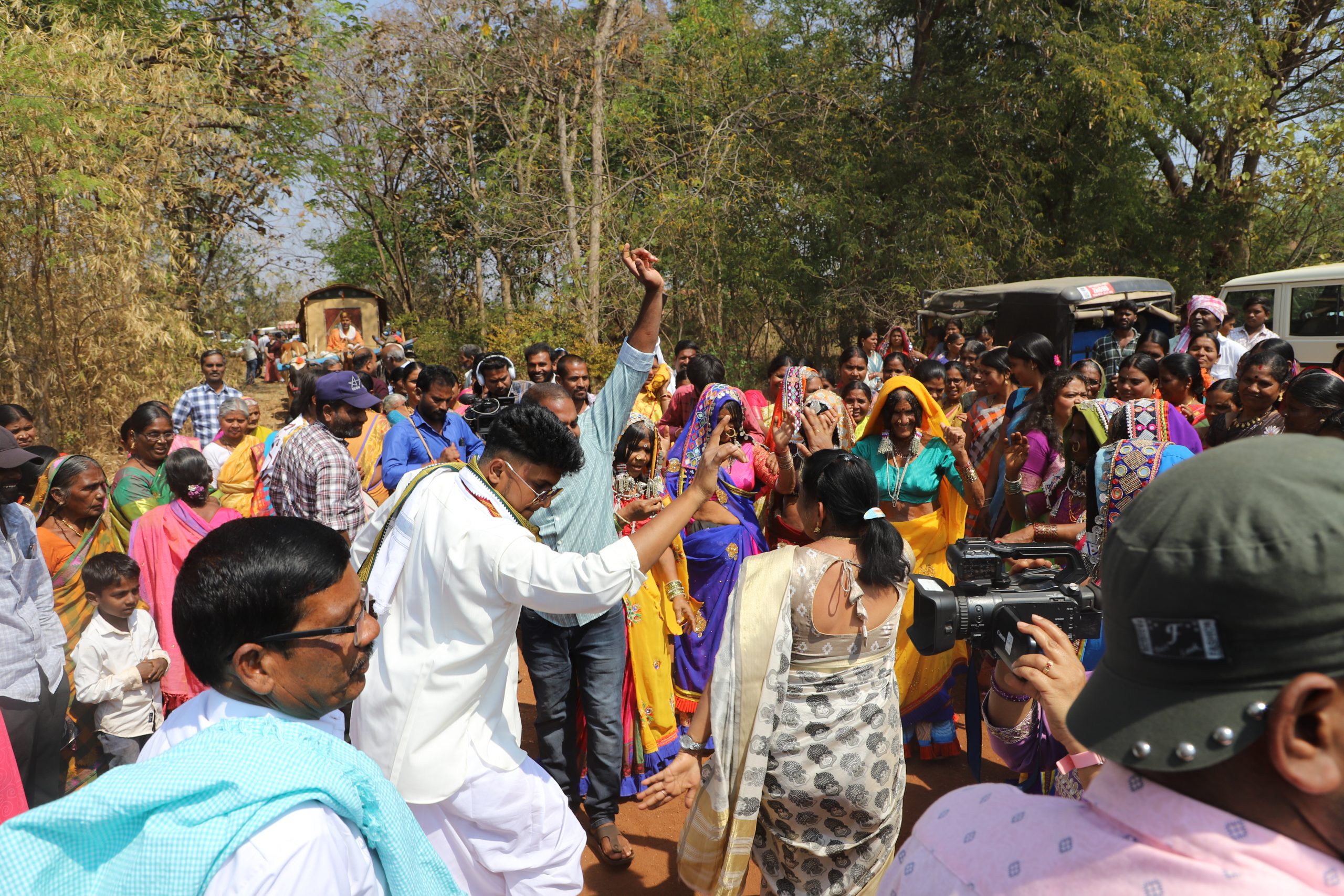
Celebrating Seeds, Women Farmers, and the Future of Sustainable Agriculture
The 26th Mobile Biodiversity Festival (Paatha Pantala Jatara) – 2026, organized by the Deccan Development Society, stands as a powerful celebration of biodiversity, traditional farming systems, and the collective strength of rural communities. More than just a festival, it is a dynamic, people-led movement that brings to the forefront the voices, knowledge, and practices of small and marginal farmers—especially women—who continue to sustain ecological agriculture in the face of changing times.
Rooted in the vision of food sovereignty and environmental sustainability, the Mobile Biodiversity Festival creates a unique platform where farmers, scientists, policymakers, students, and citizens come together to learn from each other and reaffirm their commitment to protecting biodiversity and traditional knowledge systems.
A Festival That Travels with Communities
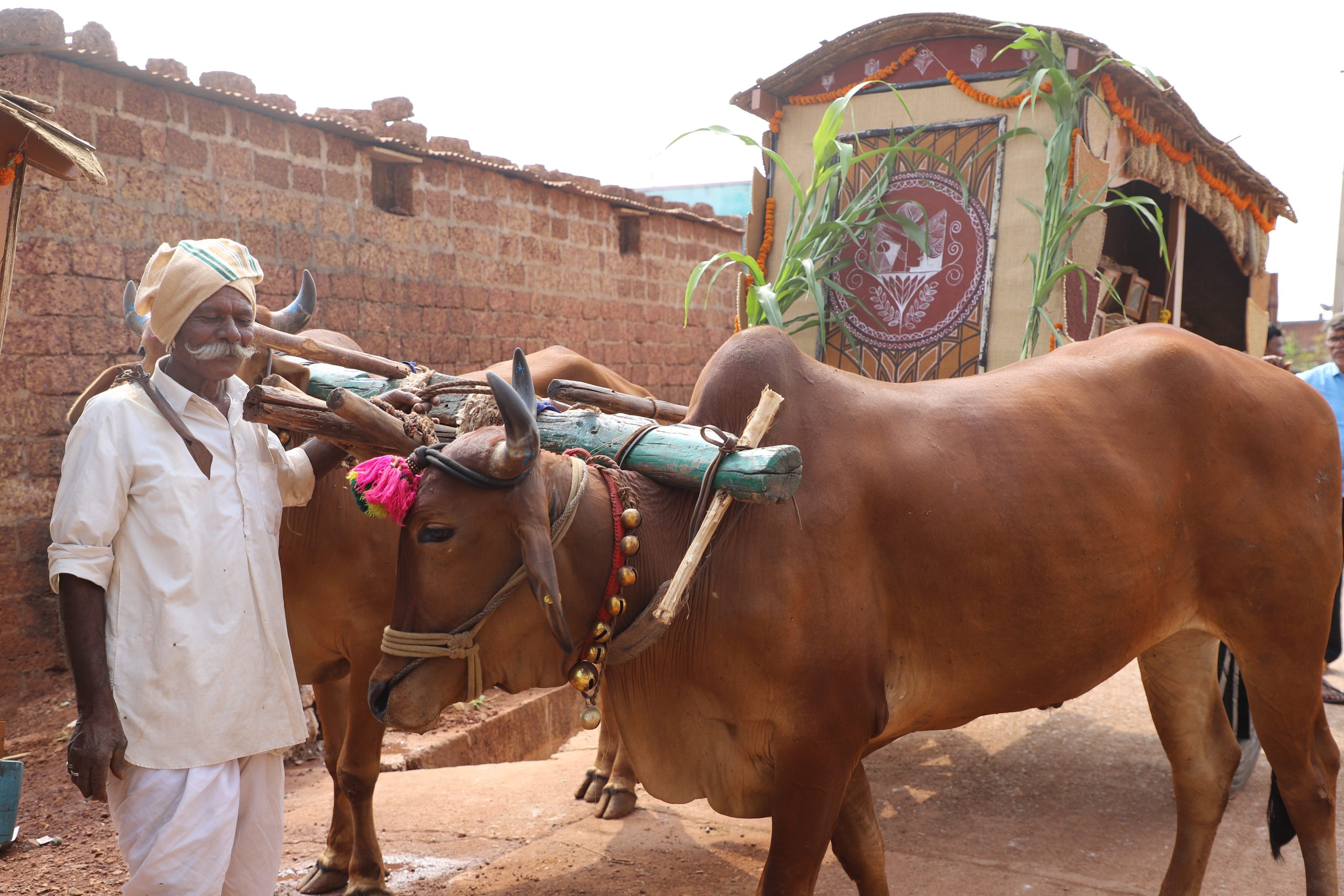
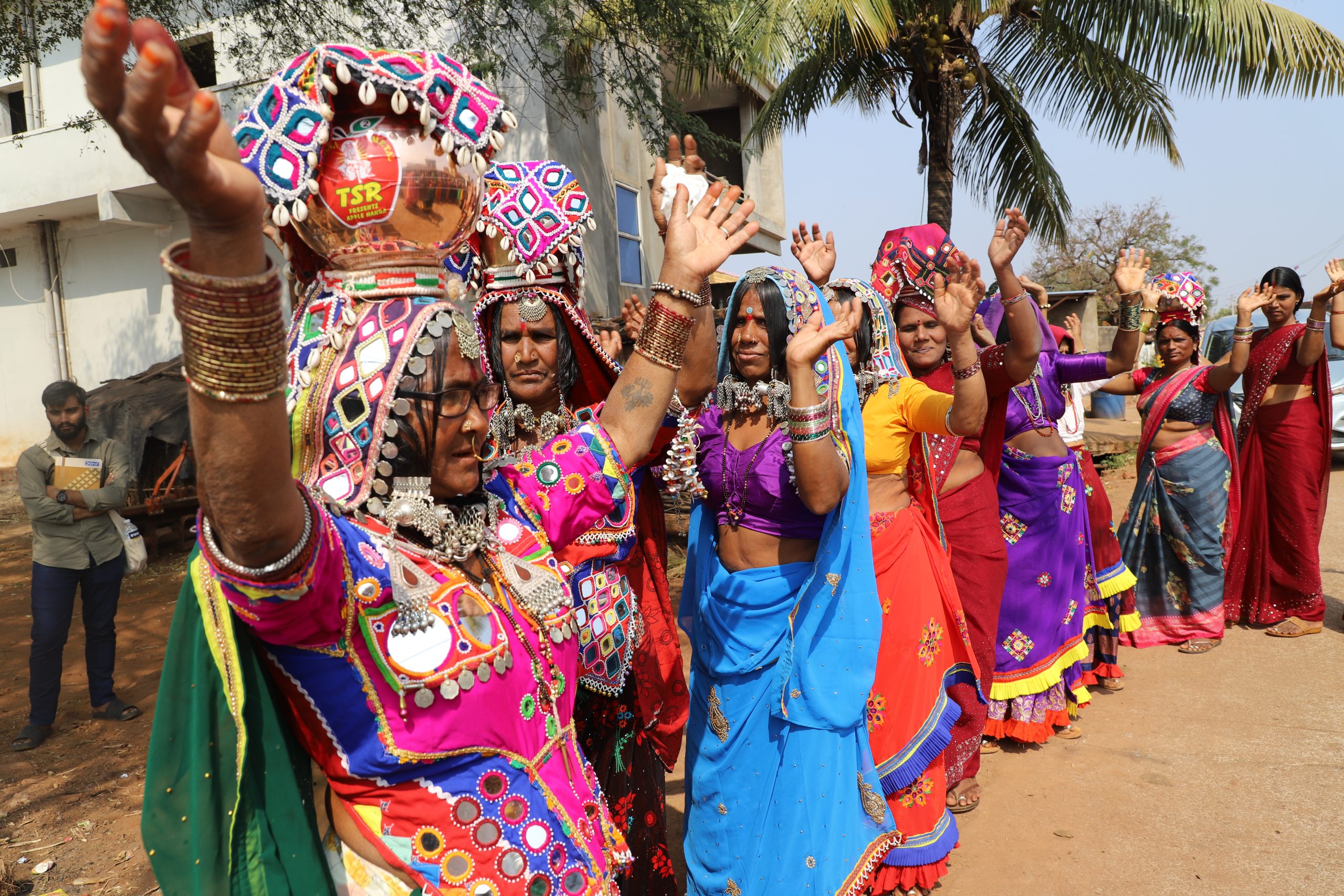
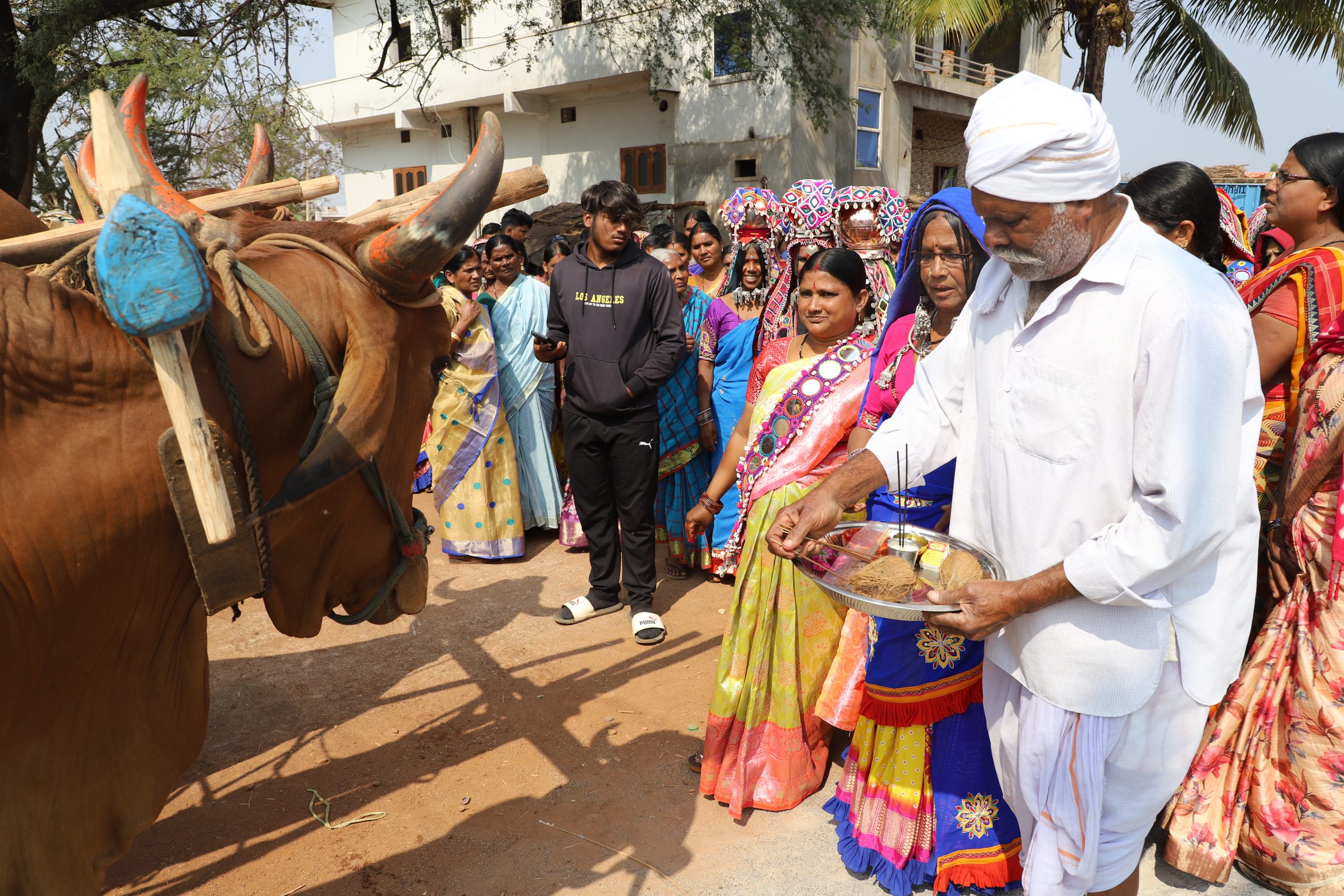
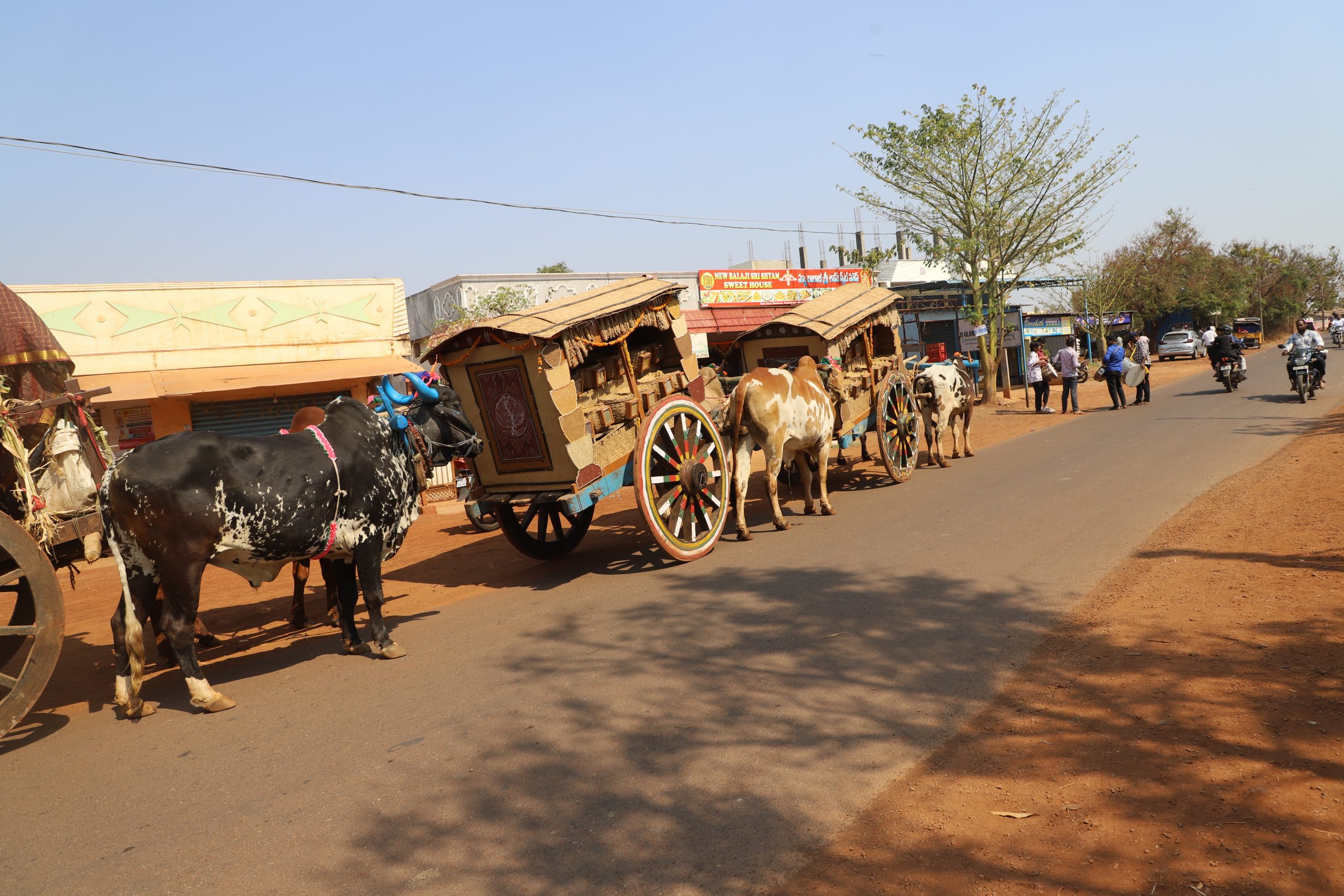
One of the most distinctive features of the festival is its mobile nature. The festival’s mobile nature allows it to move from village to village, ensuring wider participation and more profound community engagement.
In 2026, the festival was conducted across 14 villages over a period of one month, from 14 January to 13 February, actively involving 45 village women leaders. Each village became a vibrant center of exchange, learning, and celebration, where local communities hosted gatherings that showcased their agricultural diversity and cultural richness.
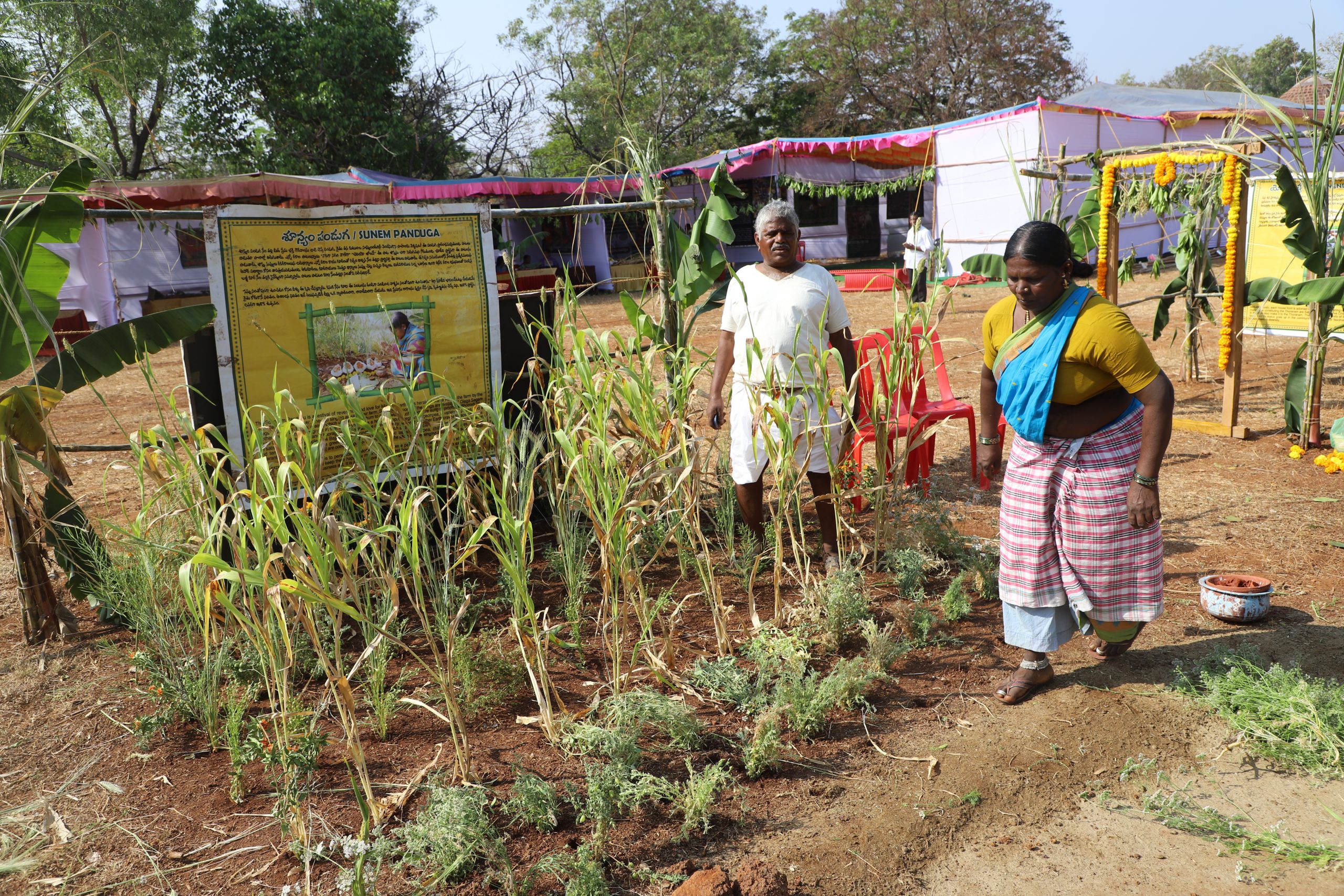
Farmers displayed a wide range of traditional crops, including millets, pulses, oilseeds, and other indigenous varieties. These crops are not only climate-resilient but also nutritionally rich and deeply connected to local food cultures. The festival created space for farmers to exchange seeds, share experiences, and collectively reflect on the importance of sustaining diverse farming systems.
Women at the Heart of Biodiversity
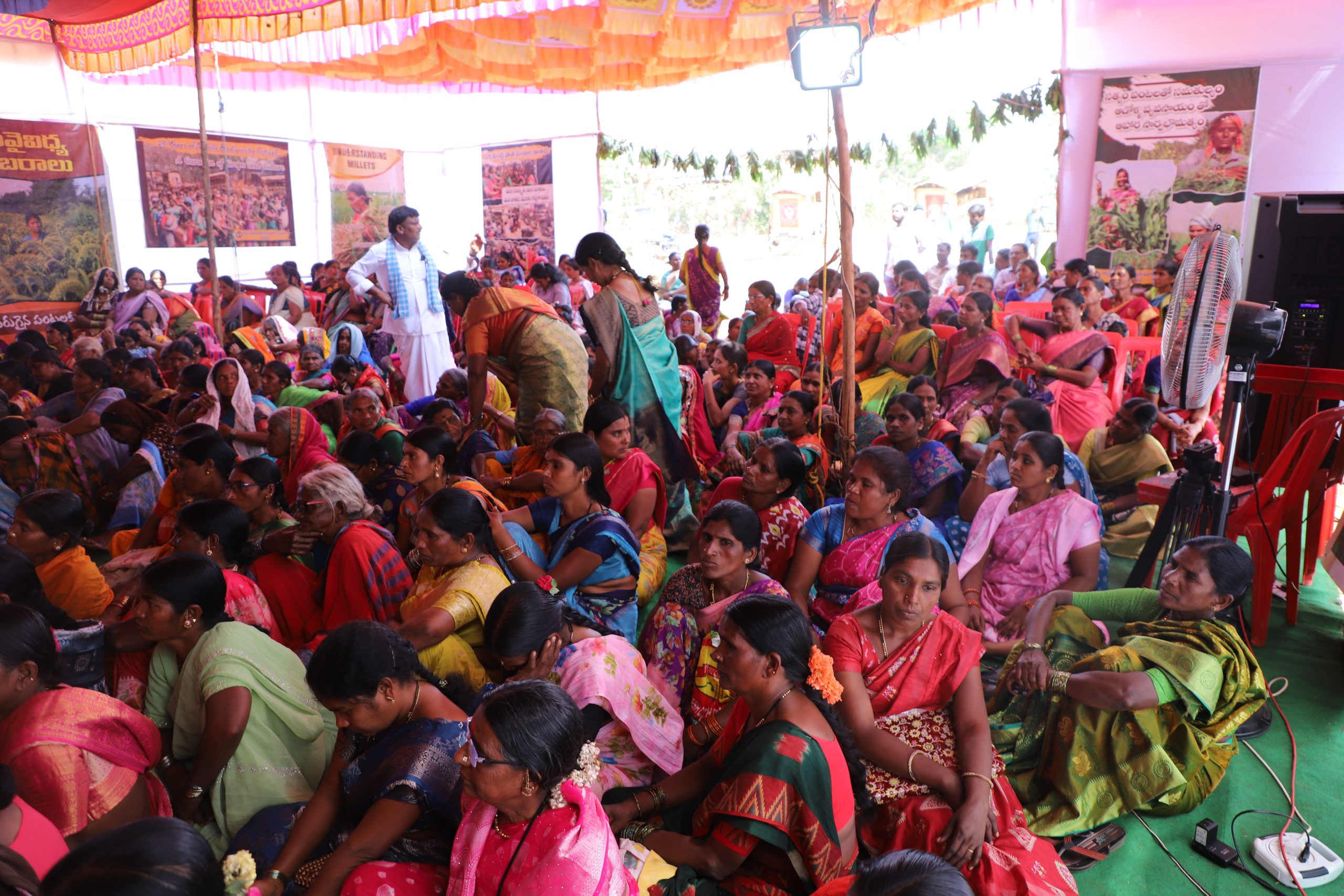
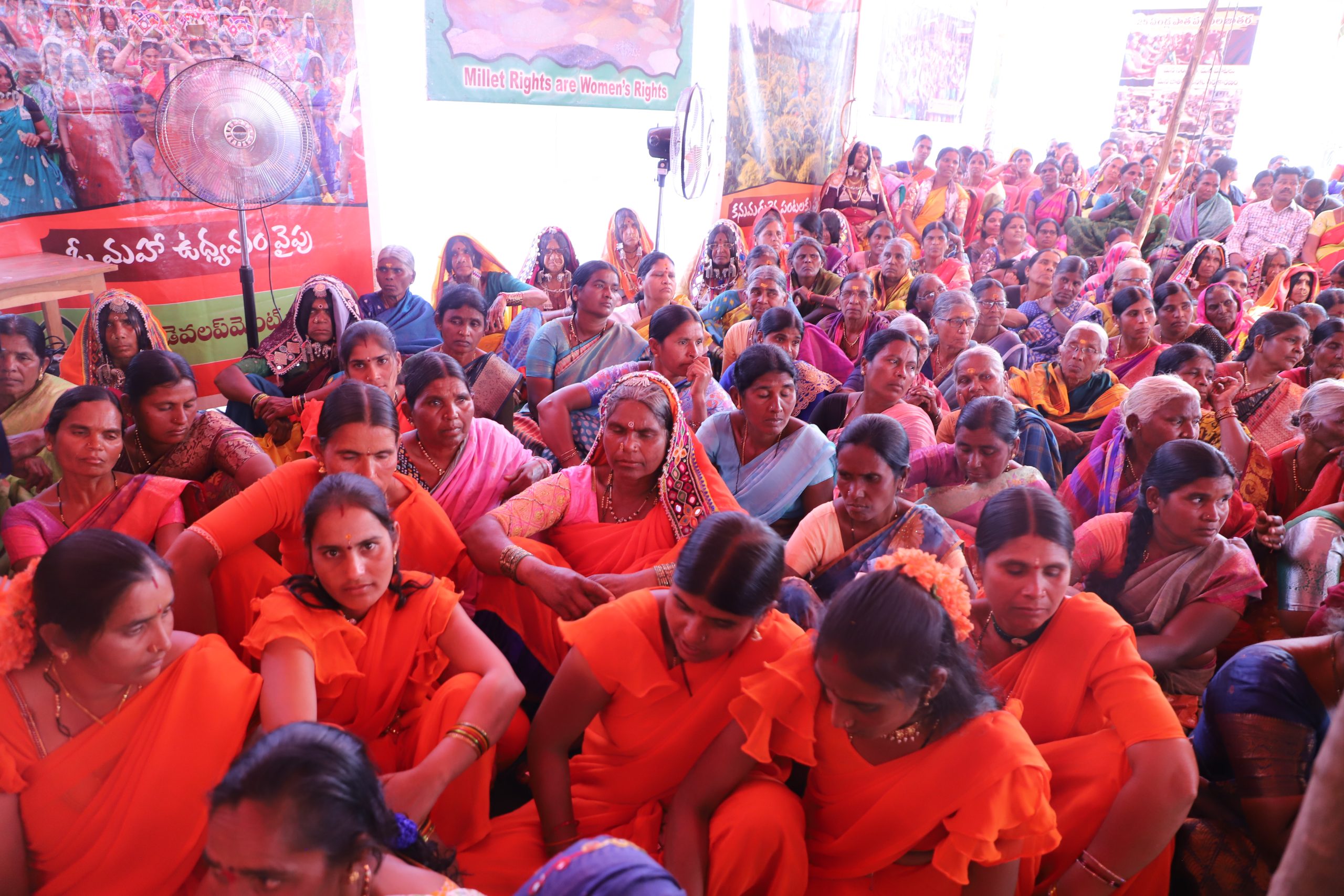
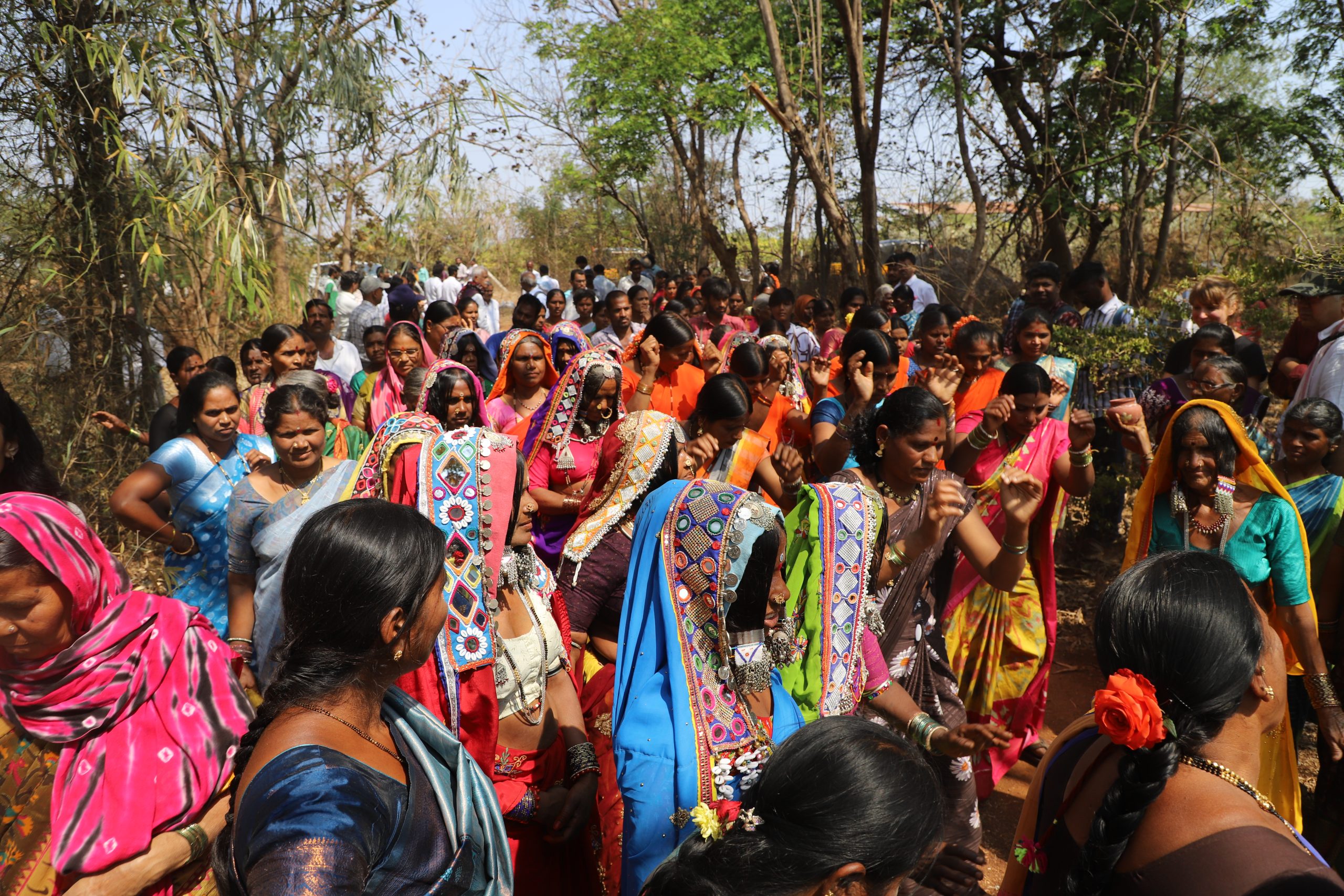
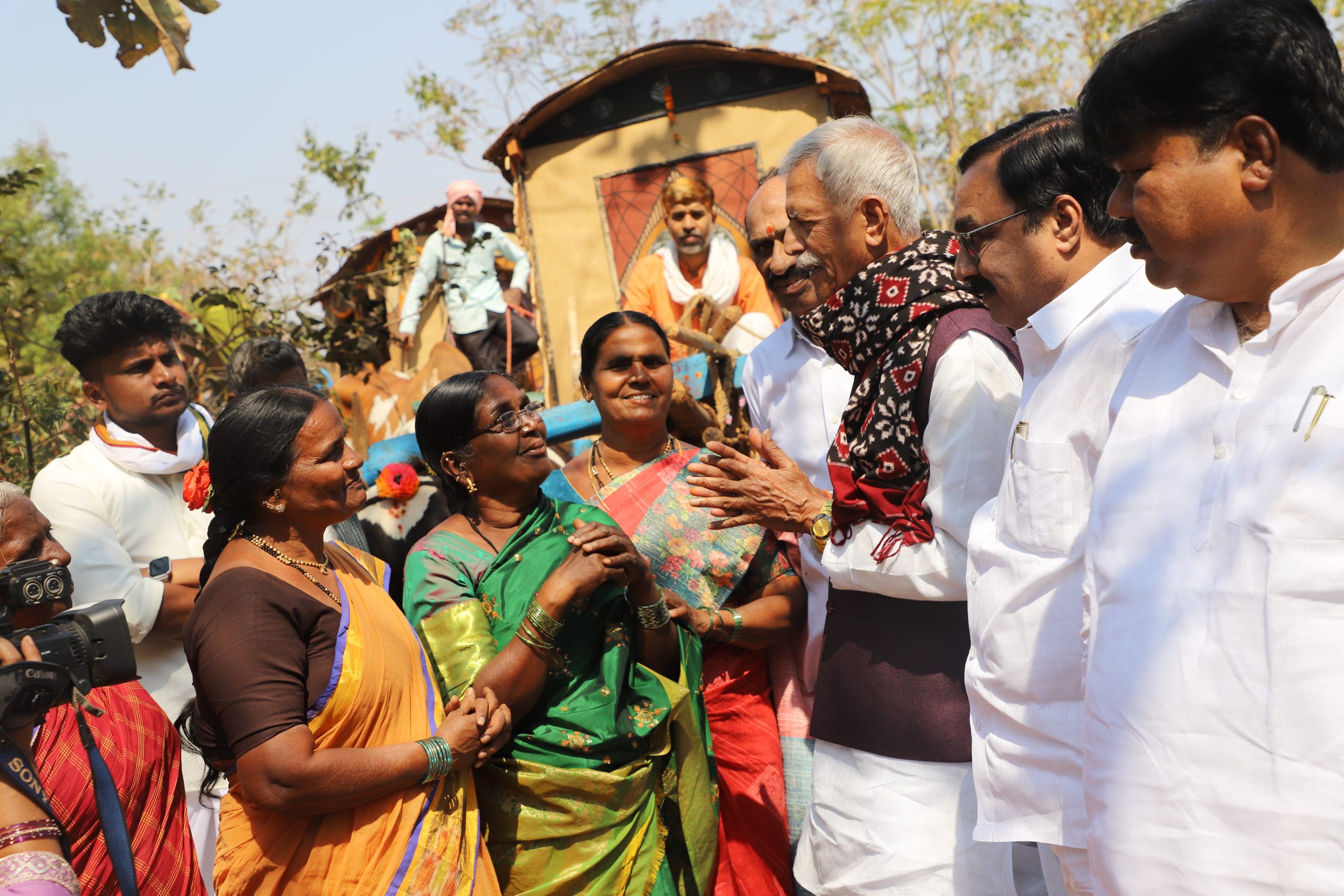
At the core of the Mobile Biodiversity Festival is the recognition that women farmers are the primary custodians of seeds and biodiversity. Their knowledge, passed down through generations, plays a crucial role in maintaining ecological balance and ensuring food security.
This year’s festival strongly highlighted the leadership of women, with 45 village women actively organizing and guiding the events. Their participation went beyond representation—they were the knowledge holders, decision-makers, and leaders of the festival.
Through discussions, demonstrations, and storytelling, women farmers shared their experiences of cultivating diverse crops, preserving seeds, and adapting to environmental challenges. Their voices highlighted both the strengths and struggles of rural agriculture, making the festival a space of both celebration and critical reflection.
The Symbolism of Seed Handover
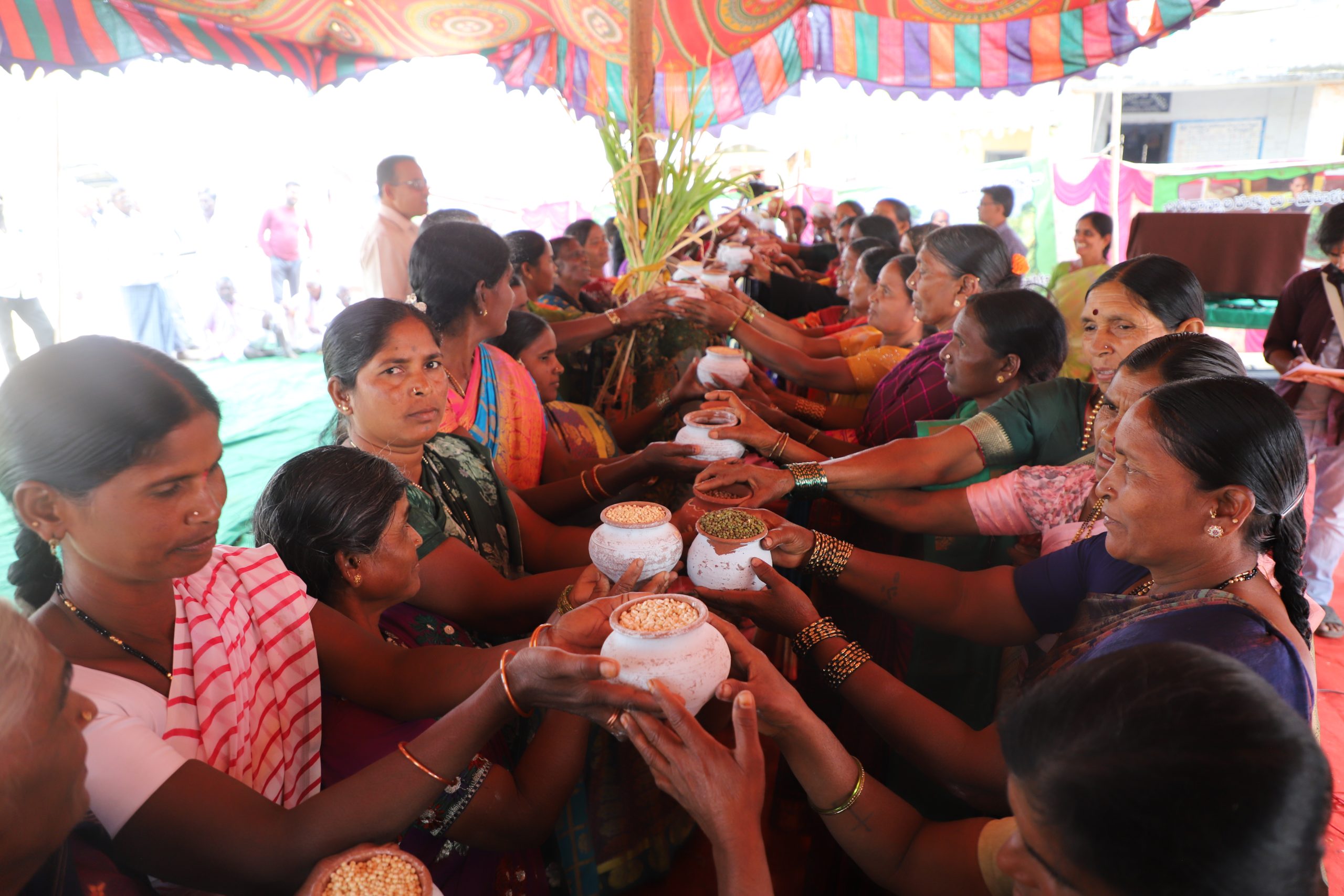
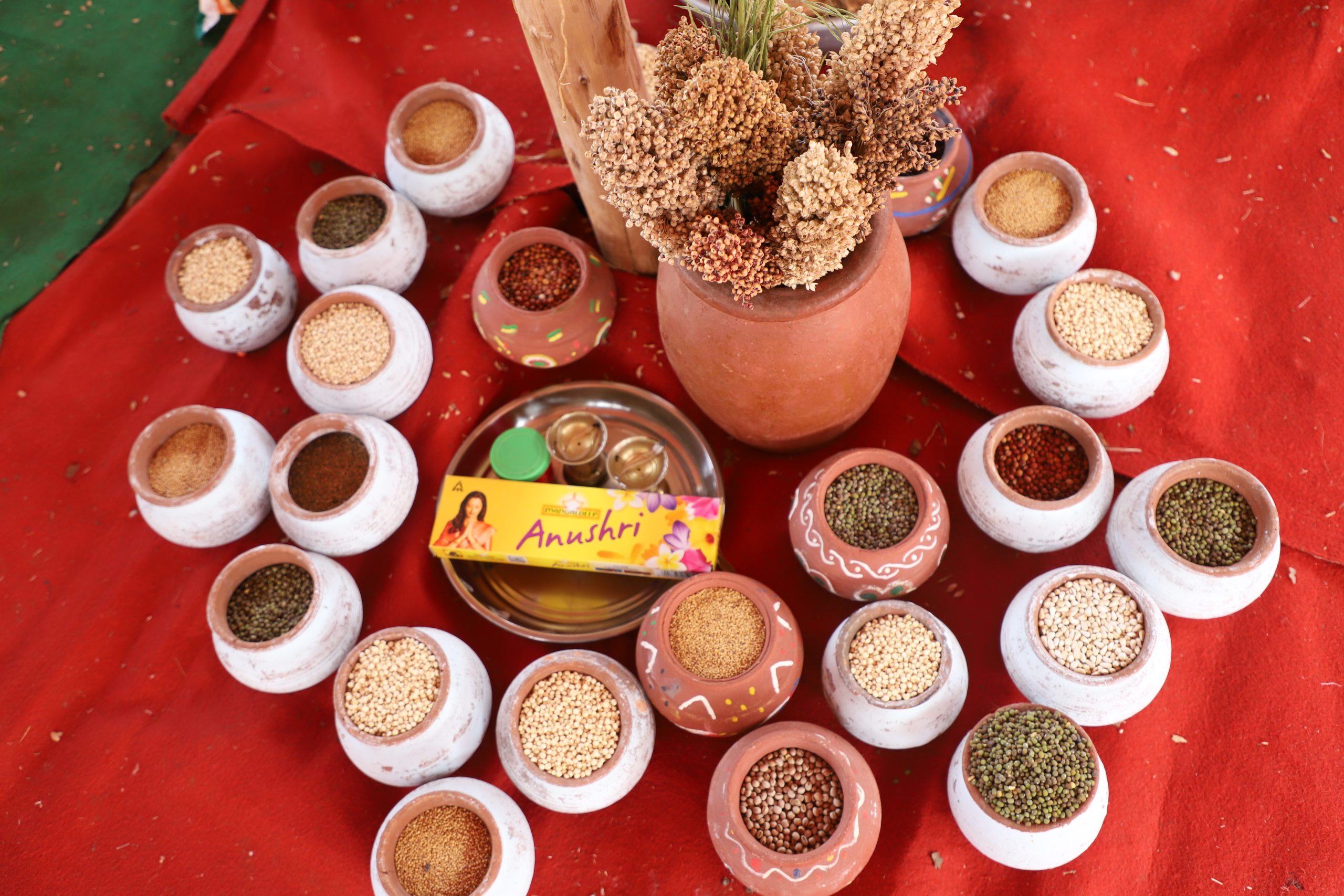
One of the most powerful and unique highlights of the festival was the Seed Handover Ceremony, conducted in every village.
During this deeply symbolic ritual, seeds were passed from mothers-in-law to daughters-in-law, representing the continuity of traditional knowledge and the intergenerational transfer of seed sovereignty. This act goes beyond a simple exchange—it embodies trust, responsibility, and the commitment to preserve biodiversity for future generations.
This ceremony reflects the cultural and ecological significance of seeds as living heritage. It emphasizes that seeds are not commodities but shared resources that carry the history, identity, and resilience of communities. By placing women at the center of this process, the festival reinforces their critical role in sustaining agricultural biodiversity.
Dialogue Between Knowledge Systems
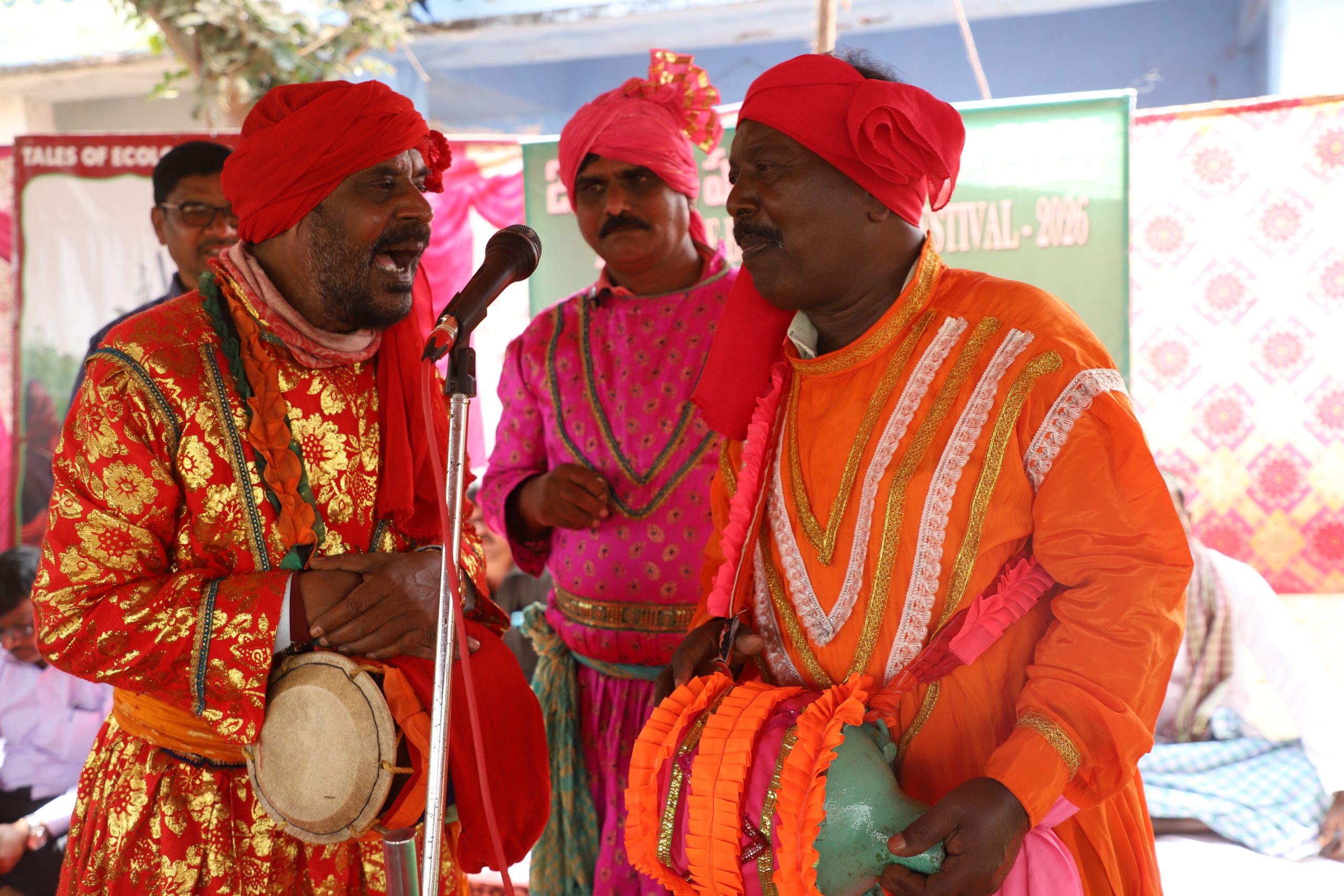 The Mobile Biodiversity Festival also serves as an important platform for dialogue between different knowledge systems. Throughout the month, farmers engaged in direct conversations with scientists, government officials, and staff from Deccan Development Society.
These interactions created opportunities to discuss ground realities and current challenges faced by women farmers, including climate variability, declining soil fertility, market pressures, and the increasing dependence on chemical inputs. At the same time, the dialogues enabled scientists and policymakers to better understand the lived experiences of farmers.
The festival also played a key role in raising awareness about the harmful impacts of chemical pesticides and the importance of transitioning to ecological farming practices. Farmers shared successful examples of low-cost, sustainable agriculture that protect soil health, biodiversity, and human well-being.
This exchange of ideas fostered mutual learning and strengthened the connection between grassroots knowledge and institutional support systems.
Grand Closing: A Convergence of Voices
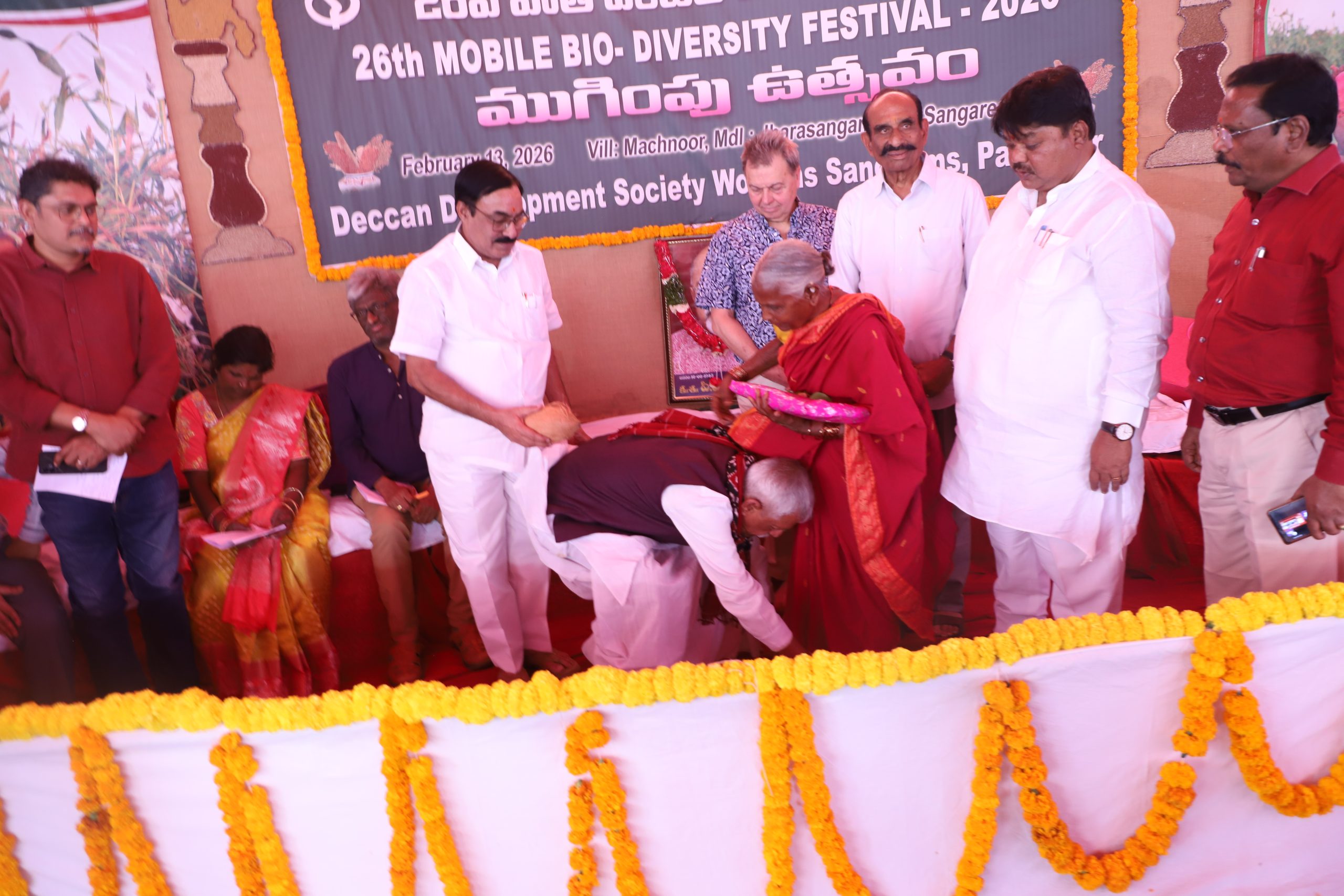
The festival culminated in a grand closing event on 13 February 2026 at Machnoor village, Manoor Mandal, bringing together around 600 women farmers along with students, international visitors, researchers, ministers, and other distinguished guests.
Among the key dignitaries present were Dr. Divya, executive director of Deccan Development Society; Prof. Michel Pimbert, Centre for Agroecology, Water and Resilience, Coventry University, UK; M. Kodanda Reddy, chairman of the Telangana Farmers Commission; K. Sandhya Rani and K. V. Narsimha Reddy, members of the commission; Dr. G. V. Ramanjaneyulu, DDS board member; and Madhavi, sarpanch of Machnoor village.
The closing event provided a rare and meaningful opportunity for participants to interact directly with women farmers, who are the true custodians of biodiversity and traditional seeds. Through open conversations and shared experiences, the gathering highlighted the urgent need to strengthen community-led agriculture and protect indigenous seed systems.
The presence of diverse participants—from local farmers to international researchers—created a rich environment of dialogue, learning, and solidarity. It reinforced the idea that sustainable agriculture is a shared responsibility that requires collaboration across communities, institutions, and borders.
Towards a Sustainable Future
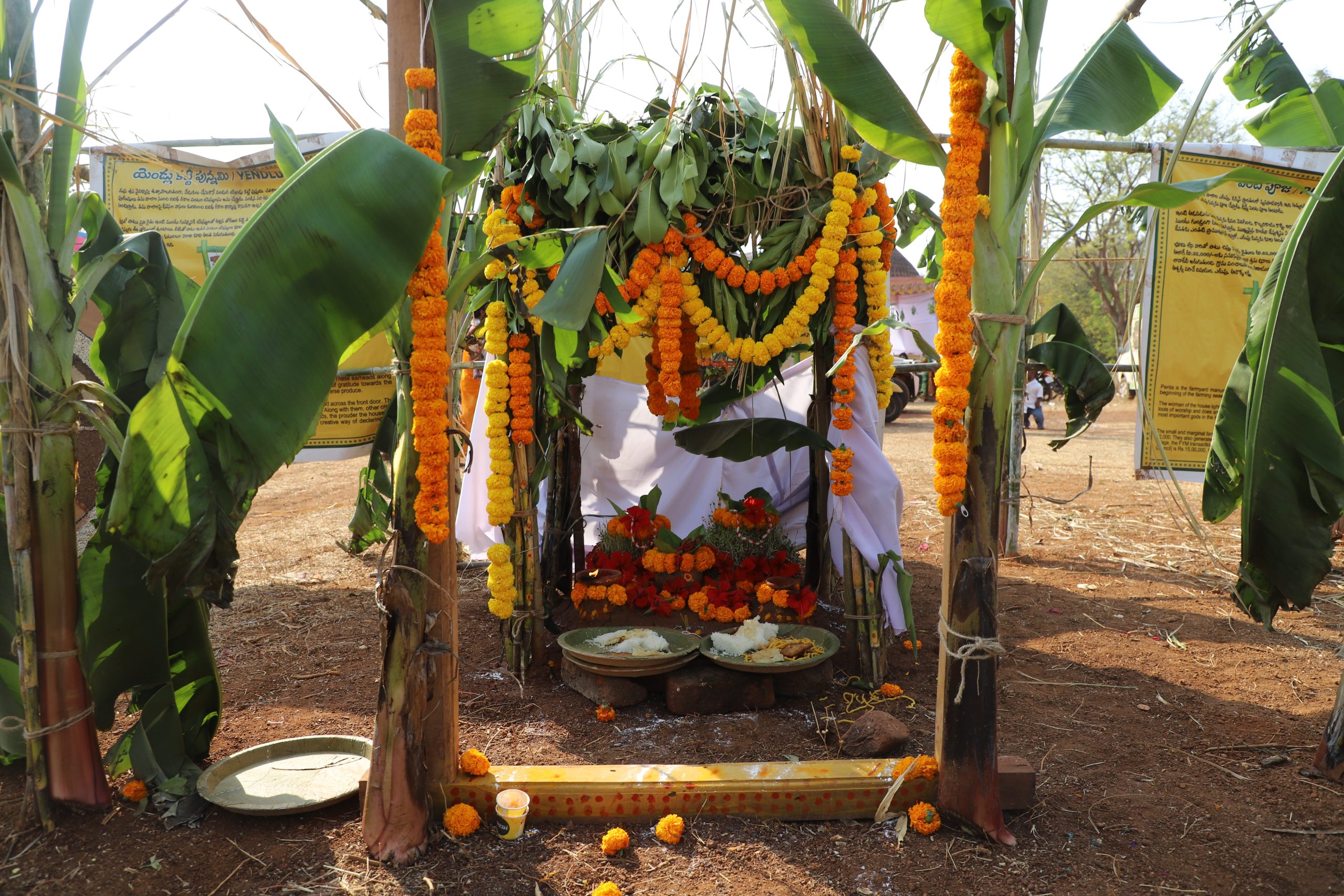
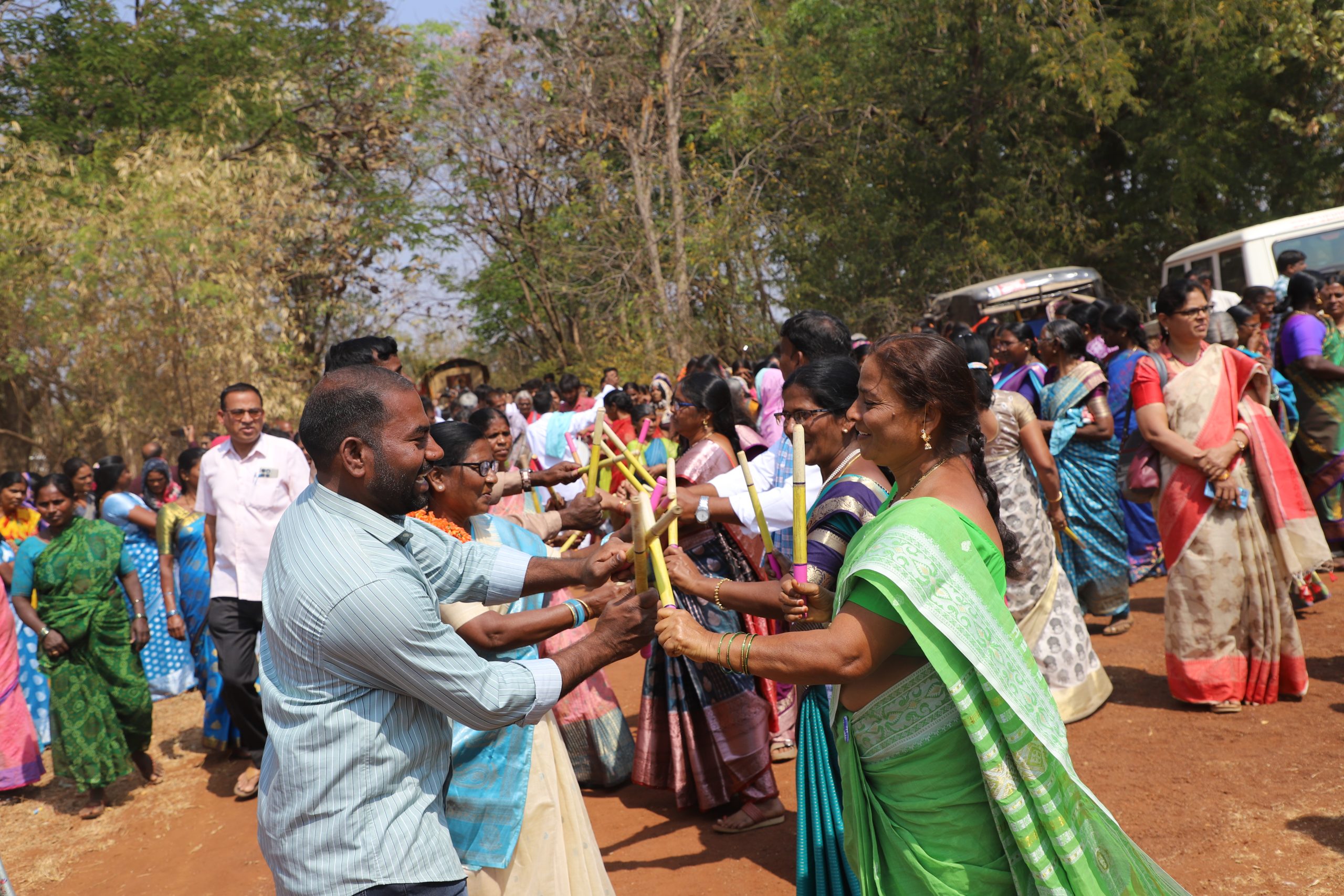
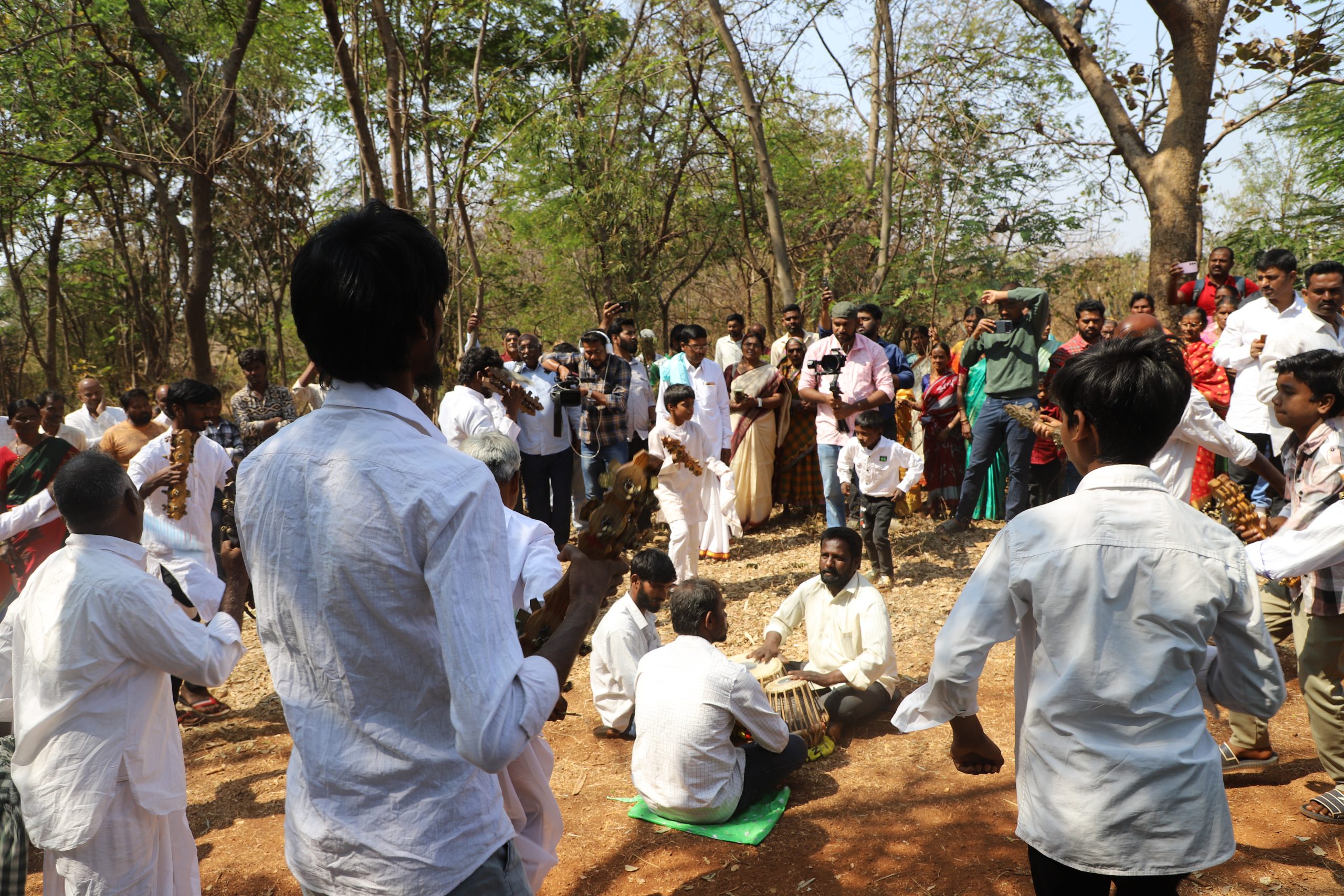
The Mobile Biodiversity Festival is not just an annual event—it is a continuing movement that advocates for biodiversity conservation, food sovereignty, and farmer-led sustainable agriculture. By honoring traditional crops, local knowledge, and community practices, it questions the usual ways of industrial agriculture and presents different options based on ecological balance and fairness.
At its heart, the festival is a reminder that the future of agriculture lies in diversity, resilience, and community wisdom. It calls for greater recognition of the role of women farmers and emphasizes the need to protect the seeds and knowledge systems that sustain life.
As the 2026 festival concludes, it leaves behind a powerful message:
When communities come together to protect their seeds, knowledge, and land, they are not only preserving the past—they are shaping a more sustainable and just future.